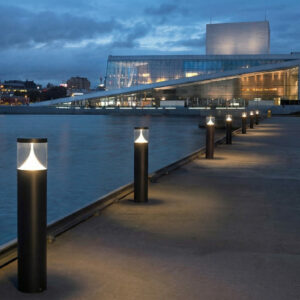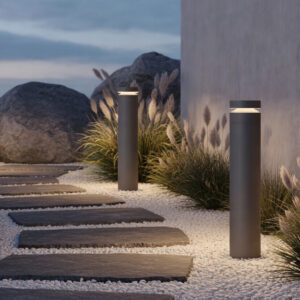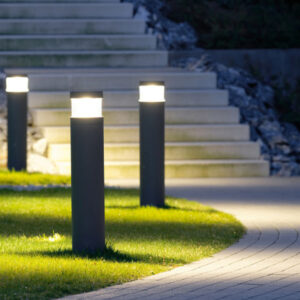
Bollard lights are a cornerstone of modern landscape and architectural lighting, seamlessly blending functionality with aesthetic appeal. They define pathways, illuminate public squares, enhance garden features, and ensure safety in commercial and residential spaces. However, for architects, lighting designers, and project managers, specifying the right bollard light goes far beyond choosing a style.
A professional, project-grade bollard is an engineered product designed to withstand harsh environmental conditions, deliver precise and consistent illumination, and perform reliably for years. This guide delves into the professional knowledge required to specify bollard lights for high-stakes projects, exploring everything from material science to the latest technological trends.
Decoding Bollard Lights: Types and Styles for Every Application
Bollard lights are not a one-size-fits-all solution. Their design directly influences their function and the atmosphere they create. Key variations include:
-
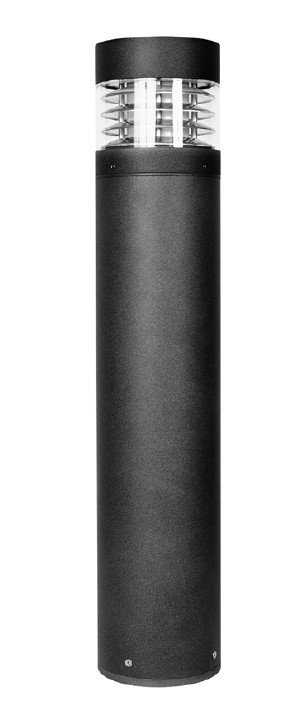
Louvered Bollards: These feature angled slats (louvers) that direct light downwards, minimizing glare and light pollution. They are ideal for pathways and public areas where visual comfort is paramount.
-
Flat-Top Bollards: Often designed with 360-degree light distribution, these provide broad, general illumination. They are perfect for open areas, car parks, and plaza perimeters.
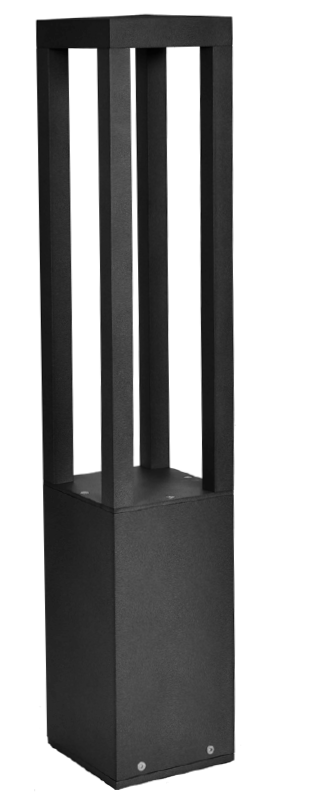
-
Asymmetrical Beam Bollards: These models project light in a specific direction (e.g., forward onto a path). This is highly efficient for walkway illumination, preventing wasted light from spilling into adjacent landscapes or properties.
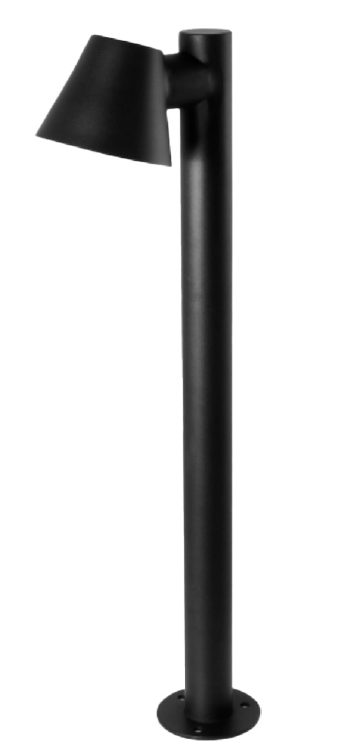
-
Architectural & Decorative Bollards: These prioritize form as much as function, featuring unique shapes, materials, and light effects to complement a building’s architecture. They serve as design elements both day and night.
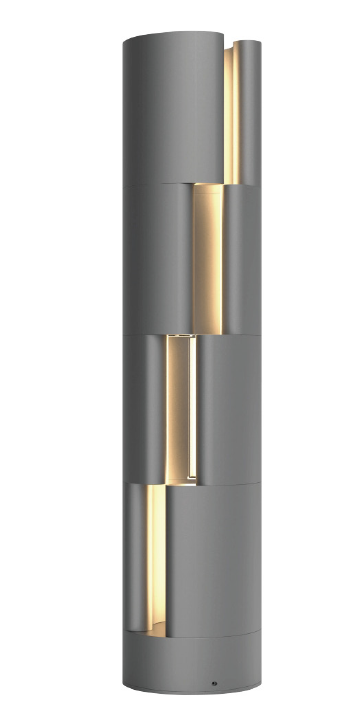
Built to Last: Ensuring Durability in Harsh Environments
A key differentiator for a project-grade bollard is its ability to resist corrosion and physical impact, especially when in constant contact with soil, grass, irrigation systems, and public traffic.
-
Housing Materials: The choice of material is critical.
-
Die-Cast Aluminum: A popular choice for its durability, heat dissipation, and ability to be molded into complex shapes.
-
Extruded Aluminum: Offers a clean, seamless finish and excellent structural strength.
-
Stainless Steel (Grade 304/316): Provides superior corrosion resistance, making it suitable for coastal or industrial environments.
-
-
Surface Protection: The coating is the first line of defense. A multi-step powder coating process is the professional standard. This involves chemical pretreatment to clean and prime the metal, followed by the electrostatic application of a durable polyester powder coat that is then cured at high temperatures. This creates a finish that resists chipping, fading, and corrosion far better than a simple wet paint application.
-
IP and IK Ratings: These are non-negotiable in project specifications.
-
IP Rating (Ingress Protection): A bollard should have a minimum rating of IP65. The ‘6’ signifies it is completely dust-tight, while the ‘5’ means it is protected against low-pressure water jets from any direction—essential for enduring rain and irrigation.
-
IK Rating (Impact Resistance): This rating (from IK01 to IK10) indicates the degree of protection against mechanical impact. For public spaces, a rating of IK08 or higher is recommended to protect against vandalism and accidental damage.
-
The Professional Standard: What Defines a Project-Grade Bollard Light?
Beyond robust construction, several technical benchmarks separate professional fixtures from consumer-grade alternatives.
-
Quality of Light:
-
LED Chips: Reputable brands like CREE, LUMILEDS, OSRAM, and Philips are specified for their high efficacy (lumens per watt), consistent color, and long lifespan (L70/B10 rating).
-
Color Rendering Index (CRI): A CRI of >80 is the baseline standard, ensuring that landscaping, building materials, and human skin tones appear natural. For high-end projects, a CRI of >90 is often required.
-
Color Temperature (CCT): Options should include warm white (3000K) for a welcoming atmosphere and neutral white (4000K) for clarity and safety.
-
-
Performance and Reliability:
-
LED Driver: The driver is the heart of the fixture. High-quality drivers from brands like OSRAM, MEAN WELL, or Tridonic ensure stable performance, offer protection against voltage fluctuations, and have a long operational life that matches the LED chips.
-
Thermal Management: Professional bollards are engineered with integrated heat sinks to efficiently dissipate heat away from the LED chip. Overheating is the primary cause of premature LED failure and color shifting, making this a critical design feature.
-
-
Certifications: Fixtures must comply with regional safety and performance standards, such as CE and RoHS for Europe.
Project-Grade vs. Retail Bollards: Why the Price Gap Matters
It can be tempting to source cheaper bollards from online retailers like Amazon for smaller projects, but this is a false economy for any serious installation. Here’s the difference:
| Feature | Project-Grade Bollard Light | Cheap Retail Bollard Light |
| Materials | Thick-gauge die-cast aluminum or stainless steel. | Thin-stamped metal or plastic. |
| Coating | Multi-layer, architectural-grade powder coating. | Single layer of spray paint; prone to peeling. |
| LEDs & Drivers | Branded, high-efficacy components with long life ratings. | Generic, low-quality components with high failure rates. |
| Optics | Engineered lenses and reflectors for precise light control and low glare. | Simple diffusers that create glare and waste light. |
| IP/IK Rating | Verified IP65 or higher; often IK08+ rated. | Often unverified or low IP44 rating, unsuitable for ground installation. |
| Lifespan | 50,000+ hours with consistent light output. | 10,000 hours or less, with rapid light degradation. |
| Warranty | Typically 3-5 years, backed by professional support. | Limited 1-year warranty or less. |
While the initial investment is higher, a project-grade bollard offers a lower total cost of ownership through superior longevity, minimal maintenance, and reliable performance.
Lessons from the Masters: Characteristics of Leading European Brands
Top-tier European manufacturers like BEGA, iGuzzini, and SIMES set the global benchmark for quality. Their products are characterized by:
-
Optical Excellence: They invest heavily in proprietary optical systems that shape light with incredible precision, offering a wide range of distributions to solve complex lighting challenges without glare.
-
Uncompromising Durability: They often use marine-grade materials and extreme testing protocols, ensuring their products can last for decades even in the most demanding climates.
-
Modular and Integrated Design: Their product families share a consistent design language, allowing for a cohesive aesthetic across an entire project. They are often designed for seamless integration with control systems like DALI.
-
Timeless Aesthetics: Their designs are understated, minimalist, and built to complement architecture rather than compete with it.
The Future is Bright: Evolving Trends in Bollard Lighting
The technology and application of bollard lights are continuously advancing. Key trends to watch include:
-
Smart Lighting & Connectivity: Integration with IoT platforms and wireless control systems (like Casambi) allows for dynamic scheduling, dimming, color tuning, and remote diagnostics, optimizing both energy use and user experience.
-
Human-Centric Design: Bollards with tunable-white technology can adjust their color temperature throughout the day to support human circadian rhythms in spaces like hospital gardens or resort patios.
-
Sustainability & Dark-Sky Compliance: Solar-powered bollards are becoming more efficient and viable for off-grid applications. Furthermore, there is a growing demand for fixtures that are “Dark-Sky” certified to reduce light pollution and protect nocturnal wildlife.
-
Material Innovation: New finishes, composite materials, and designs are constantly emerging, offering architects even more creative freedom.
From Design to Dirt: Practical Considerations for Installers
Even the best bollard can fail if installed incorrectly. Designers and contractors should consider:
-
Foundation: Bollards require a stable concrete foundation to ensure they remain perfectly vertical and secure. The size and depth of this foundation depend on the bollard’s height and local soil conditions.
-
Wiring and Connections: All underground electrical connections must be made with IP68-rated waterproof connectors to prevent moisture ingress, a common point of failure.
-
Accessibility: Plan for future maintenance. Ensure the bollard’s access panel or head is easily reachable for servicing the driver or LED module.
In choosing bollard lights for a significant project, the focus must be on professional-grade solutions that guarantee performance, longevity, and safety. By understanding the nuances of materials, technical standards, and installation best practices, you can ensure your landscape lighting design remains as beautiful and functional on its tenth anniversary as it was on day one.
Lacelesty Lighting has a dedicated team specializing in professional lighting projects. If you have a project requiring high-quality bollard lights and expert consultation, we welcome you to contact us.