In the landscape of modern architecture, light has evolved beyond mere utility; it has become a fundamental construction material and a medium for artistic expression. Among the most transformative tools available to architects and lighting designers today are LED pixel dots. These individually addressable points of light are dramatically reshaping building façades, public areas, and urban environments, transforming static structures into vibrant, communicative canvases. This comprehensive guide delves into professional-grade outdoor LED pixel dots, exploring their critical technical standards, diverse application nuances, and the forward-looking trends that define their use in high-stakes engineering projects.
Exploring Diverse LED Pixel Dot Types and Their Applications
LED pixel systems come in a variety of configurations and styles, each meticulously engineered to meet specific environmental and aesthetic demands. Understanding these variations is crucial for selecting the optimal LED facade lighting solution for any given project. These versatile lighting elements can be broadly categorized by their color capabilities, physical shape, and light output.
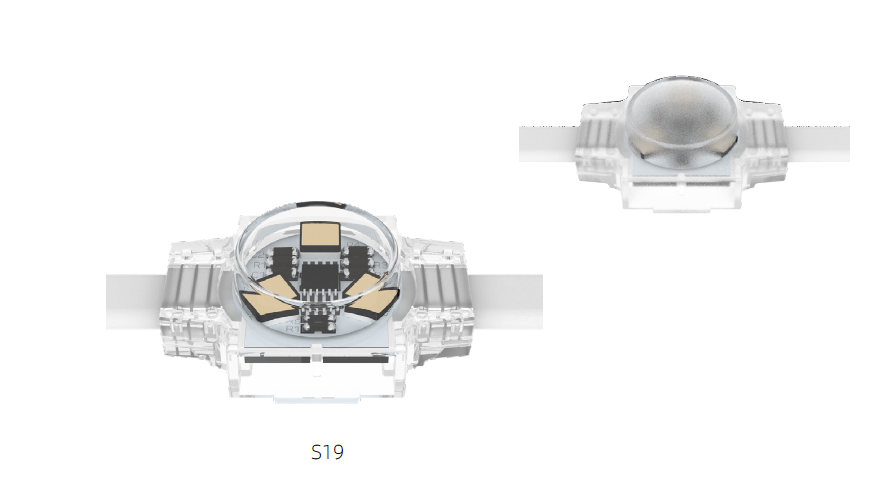
- Monochrome LED Dots: Emitting a single, consistent color such as warm white (2700K-3000K) or cool white (4000K-6000K), these are perfect for subtle accent lighting and defining architectural contours. Their inherent simplicity and energy efficiency make them ideal for subtle pathway illumination in parks or highlighting specific features of a building, where a clean, classic aesthetic is desired.
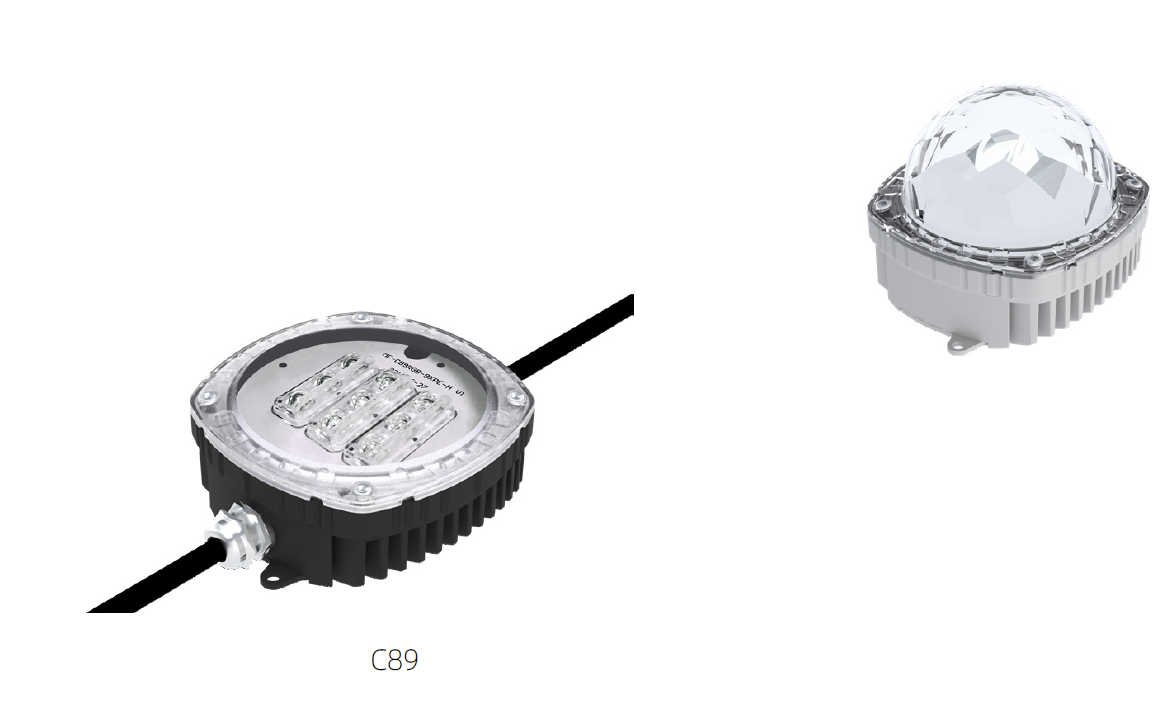
- RGB and RGBW Pixel Dots: These are the dynamic workhorses of modern display technology. RGB pixel dots integrate red, green, and blue LEDs, allowing for millions of color combinations and intricate animations. RGBW LED dots further include a dedicated white LED, which provides superior white light rendering and a broader spectrum of color possibilities. They are the ideal choice for creating compelling media facades on commercial complexes and vibrant displays in resorts, enabling the projection of complex, animated graphics visible from significant distances.
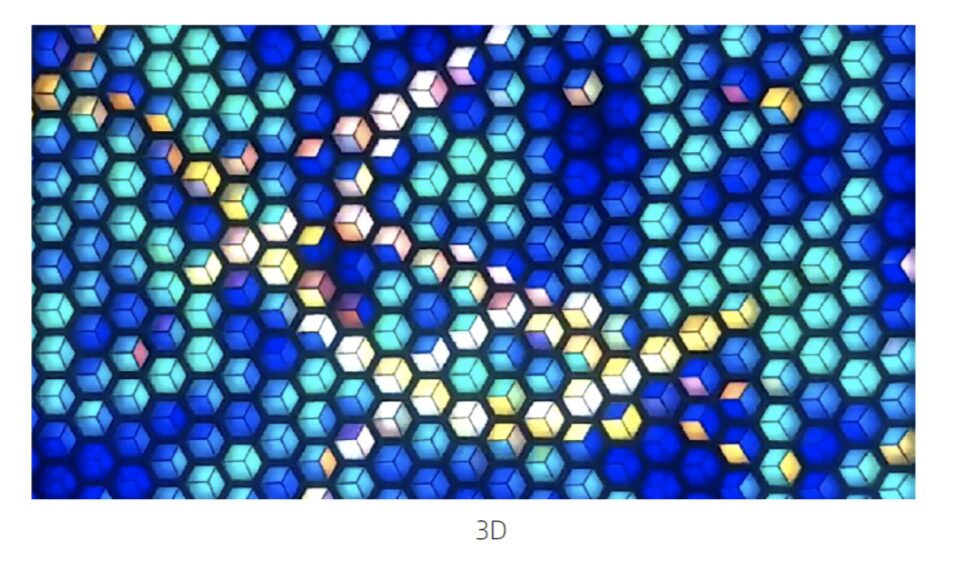
- Shape Variations: The physical form of an LED pixel dot is a key design consideration for achieving specific visual effects.
- Round or dome-shaped units typically offer wide beam angles (120°-180°), ensuring uniform illumination and a soft, diffused glow.
- Square or flat designs provide a more directional light output, making them suitable for precise wall grazing or highlighting specific textures on a surface.
- 3D or hexagonal styles are frequently employed in unique artistic installations, allowing for the creation of intricate patterns on curved surfaces, such as spherical structures within theme parks or bespoke public art pieces.
The Engineering Imperative: Professional vs. Consumer-Grade Lighting
The performance gap between LED lighting fixtures used in multi-million-dollar architectural endeavors and those found on general consumer marketplaces is substantial. A lighting product specified for professional architectural lighting must rigorously adhere to stringent engineering standards that extend far beyond basic illumination.
Ingress Protection (IP) and Impact Resistance (IK) ratings are paramount for any outdoor lighting fixtures. An IP67 rating guarantees complete protection against dust and temporary water immersion, establishing it as the baseline standard for any project exposed to the elements. For installations located in public spaces, a robust IK rating is crucial to safeguard against vandalism and accidental impacts, ensuring the longevity and safety of the lighting installation.
Furthermore, professional pixel lighting systems utilize LEDs from manufacturers renowned for their consistent quality. The binning process ensures that every single light point in a large installation exhibits identical color characteristics, eliminating the splotchy, uneven look often associated with cheaper alternatives. This meticulous attention to detail is what allows for the creation of truly stunning, reliable, and consistent dynamic lighting displays.
The Intelligent Future: Smart Control and Evolving Trends in Lighting
The trajectory of the architectural lighting industry is undeniably moving towards greater intelligence, interactivity, and seamless integration. LED pixel systems are at the vanguard of this exciting evolution.
- The Ascent of Smart Control: Modern lighting installations are increasingly integrated within a building’s overarching central management system. Technologies such as RDM (Remote Device Management), used in conjunction with DMX, enable real-time monitoring and remote configuration of individual fixtures. An installer can efficiently check the operational status, DMX address, and temperature of any light point from a central console, drastically reducing both maintenance time and associated costs for these elaborate lighting solutions.
- A Real-World Example: The Sentosa Sensoryscape in Singapore stands as a prime illustration of this advanced technology in action. This expansive public installation employs a vast network of LED dot lights and wash fixtures to craft an immersive, multi-sensory experience. The lighting sequences are intricately programmed and synchronized with audio and other effects, responding dynamically to the time of day and specific event cues, thus transforming the space from a tranquil daytime park into a magical nighttime attraction.
- Future Innovations in LED Pixel Technology:
- Higher Resolution & Energy Efficiency: As LED technology continues to advance, individual light emitters will become even smaller, brighter, and more energy-efficient. This progress will facilitate the creation of exceptionally high-resolution media facades with significantly lower power consumption and a reduced environmental footprint.
- Enhanced Interactivity: Expect to see an increasing number of building facades that actively respond to their surrounding environment. Utilizing sophisticated sensors, these lighting systems will react to pedestrian movement, ambient weather conditions, or even real-time data feeds from social media.
- AI and Data Integration: Artificial Intelligence is poised to play an increasingly significant role in content management for these systems. This will allow building facades to display generative art, complex data visualizations (e.g., stock market fluctuations, air quality metrics) in real-time, thereby transforming buildings into truly communicative and responsive landmarks.
Essential Practical Considerations for Lighting Designers and Installers
Even the most cutting-edge LED pixel technology can underperform or fail if not designed and installed with precision. For professionals engaged in LED pixel lighting projects, meticulous planning and flawless execution are absolutely paramount.
- Voltage Drop Mitigation: A prevalent concern in extended strings of low-voltage DC LED fixtures is voltage drop. This phenomenon can lead to a noticeable reduction in brightness and undesirable color shifts towards the end of a long run. Professional design mandates careful calculation of cable gauges, strategic placement of power injection points, and frequently the adoption of higher-voltage systems (e.g., 48V DC) to effectively mitigate this detrimental effect.
- Robust Data Distribution: For extensive media facades, reliably distributing the DMX, sACN, or Art-Net signal to thousands of light points without degradation presents a considerable engineering challenge. A robust network architecture incorporating dedicated data splitters, advanced gateways, and, in some instances, a fiber-optic backbone, is indispensable to ensure consistent signal integrity across the entire lighting installation.
- Superior Weatherproofing: The single most common point of failure in any outdoor lighting installation is the connection point. Professional-grade lighting systems utilize IP67 or IP68-rated connectors featuring high-quality seals. It is absolutely critical for installers to adhere strictly to manufacturer guidelines to ensure a completely watertight seal, thereby preventing moisture ingress that could lead to short circuits, system failures, and long-term corrosion.
- Effective Thermal Management: All LEDs generate heat, and excessive operating temperatures will dramatically shorten their lifespan and adversely affect their performance. Therefore, individual LED pixel dots must be installed in a manner that facilitates adequate airflow and efficient heat dissipation, particularly in hot climates or within enclosed spaces.
Conclusion
Outdoor LED pixel dots have transitioned from an intriguing novelty to a highly sophisticated and versatile tool for architectural expression. For complex engineering projects, success is intrinsically linked to understanding the profound differences between consumer-grade products and robust, professional lighting solutions. This necessitates a keen focus on material science, resilient control protocols, and meticulous planning for both installation and ongoing maintenance. By prioritizing quality, durability, and intelligent design, these remarkable light points can be harnessed to create truly iconic, enduring, and dynamic landmarks.
The experienced team at Lacelesty Lighting brings over fifteen years of industry expertise, specializing in delivering professional-grade architectural lighting solutions for international engineering projects. If you have an upcoming project involving LED pixel dots or other advanced dynamic lighting displays, we welcome you to consult with our expert team for unparalleled guidance and support.