In the world of modern architecture and interior fit-outs, lighting design is the invisible element that defines the visible space. It is no longer sufficient to simply install a grid of downlights and call a project complete. Whether for a luxury hotel, a private villa, or a sprawling commercial complex, professional lighting design is a sophisticated discipline that merges engineering precision with artistic vision.
A strategic approach to lighting connects the architecture with the user experience, ensuring safety, enhancing aesthetics, and optimizing energy efficiency. This guide explores the fundamental principles of architectural lighting design and how they apply to high-value projects.
Defining Professional Lighting Design
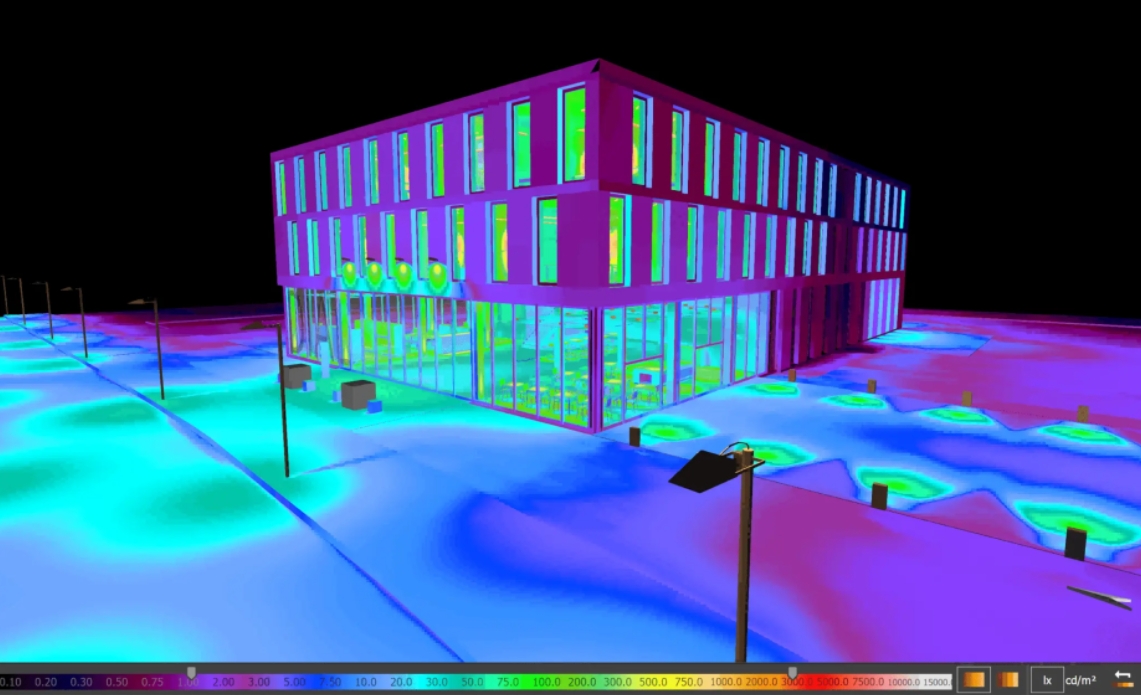
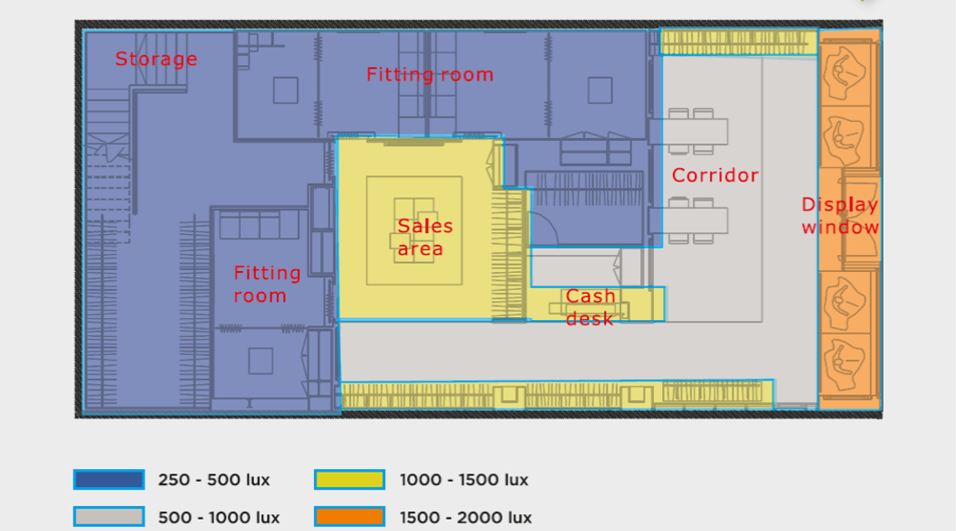
True lighting design goes beyond selecting fixtures; it is the process of integrating light into the fabric of a building. In engineering and construction contexts, this discipline involves a rigorous workflow:
-
Conceptualization: Aligning lighting strategies with client branding and architectural intent.
-
Technical Calculation: Determining necessary illuminance (Lux) levels to meet international standards.
-
Specification: selecting the right luminaires based on Color Rendering Index (CRI), beam angles, and ingress protection (IP ratings).
-
Simulation: Using software like Dialux to visualize results before installation.
-
Control Integration: Planning for dimming protocols (DALI, DMX, 0-10V) and scene setting.
The Three Pillars of Architectural Lighting
To create a successful environment, a lighting design strategy must balance three core objectives:
1. Aesthetic Enhancement
Light is the medium through which we perceive texture and form. Effective design highlights architectural details—such as the rhythm of a colonnade or the texture of a stone feature wall—creating a visual hierarchy that guides the eye.
2. Functional Performance
Before a space can be beautiful, it must be usable. Functional lighting design focuses on:
-
Visual Acuity: Ensuring enough light is present for specific tasks (reading, cooking, medical examinations).
-
Glare Control: Reducing Unified Glare Rating (UGR) to prevent eye strain.
-
Contrast Ratios: ensuring steps and changes in elevation are clearly visible to prevent accidents.
3. Operational Efficiency
Modern lighting design must be sustainable. This involves utilizing high-efficacy LED technology to lower power consumption density (watts per square meter) and implementing smart controls that harvest daylight or detect occupancy to reduce energy waste.
Layering Light: The Designer’s Secret

The difference between a flat, clinical room and a high-end hospitality space often lies in the “layering” of light. A comprehensive lighting design plan incorporates four distinct layers:
-
Ambient Lighting: The base layer that provides general illumination for safe movement.
-
Task Lighting: Focused, high-intensity light for specific activities (e.g., bedside reading lights, reception desk downlights).
-
Accent Lighting: Directional light used to draw attention to art, sculptures, or architectural features.
-
Decorative Lighting: Fixtures that serve as “light jewelry,” such as chandeliers or wall sconces, which add character even when turned off.
Sector-Specific Lighting Strategies
1. Lighting Design for Hotels and Resorts
In hospitality, lighting is the primary mood setter.
-
Lobbies: The lighting design here must create a dramatic first impression while guiding guests intuitively toward the reception.
-
Guest Rooms: Flexibility is key. The design must transition from bright “cleaning modes” to warm, low-level “relaxation scenes” at the touch of a button.
-
Facades: Exterior lighting creates a nighttime landmark, utilizing grazing techniques to accentuate building height without causing light pollution.
2. Luxury Villas and Residences
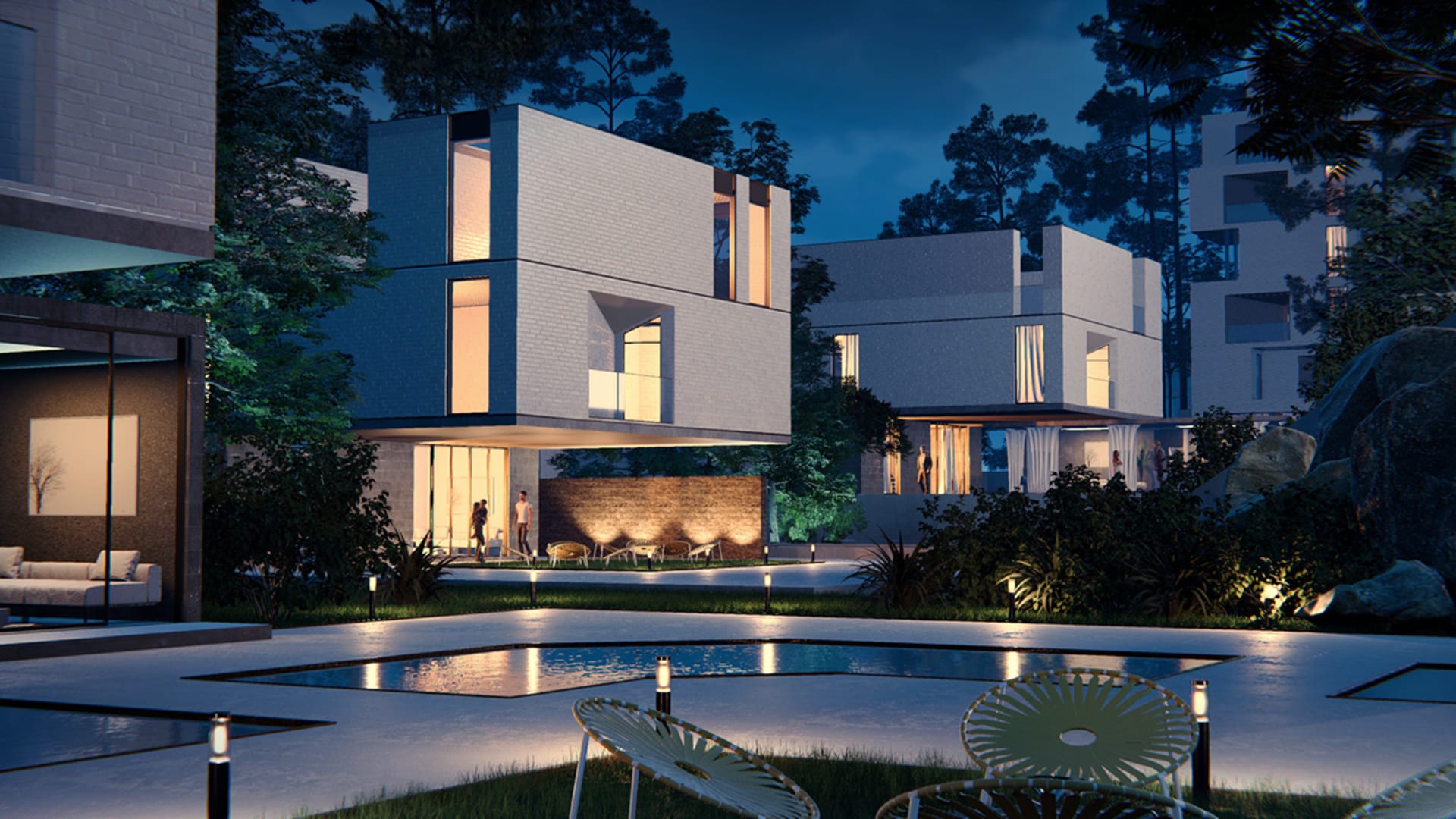
Residential lighting design mimics hospitality standards but with a focus on personalization. High CRI (90+) is essential to render skin tones and furniture fabrics naturally. The integration of warm-dim technology—where LEDs mimic the sunset by getting warmer as they dim—is a standard requirement for luxury living areas.
3. Healthcare and Commercial Spaces
In hospitals and offices, lighting design leans heavily on human-centric principles.
-
Circadian Rhythm: mimicking the color temperature of natural daylight (cool in the morning, warm in the evening) to regulate sleep-wake cycles for patients and improve focus for staff.
-
Visual Comfort: High uniformity and low glare are non-negotiable to prevent fatigue during long shifts.
The Technical Toolkit: From CAD to Simulation
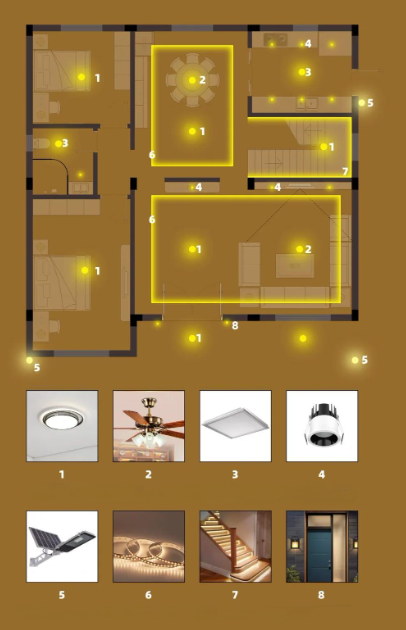
Professional results rely on professional tools. A dedicated lighting design team produces specific deliverables to ensure the vision becomes reality:
| Deliverable | Purpose |
| Lux Calculation Reports | Verifies that light levels meet safety codes and standards. |
| False Color Rendering | A heat-map visualization showing light distribution and uniformity. |
| RCP (Reflected Ceiling Plans) | Precise CAD drawings indicating luminaire placement and circuiting. |
| Load Schedules | detailed electrical data for engineers to calculate power requirements. |
Creating Your Project Brief
To initiate a successful lighting design process, project owners should consider the following checklist:
-
User Profile: Who is using the space, and what is their age demographic? (Older eyes need more light).
-
Atmosphere: Should the space feel energetic (4000K cool white) or intimate (2700K warm white)?
-
Maintenance: Are ceilings high? If so, long-life fixtures and remote drivers are essential to minimize maintenance costs.
-
Integration: How will the lighting interact with other systems like HVAC and fire safety?
Conclusion: Partnering with Experts
Lighting is technically complex and artistically demanding. Achieving the perfect balance requires collaboration between architects, interior designers, and specialized lighting engineers.
Lacelesty Lighting serves as a dedicated partner for international engineering projects. With over 15 years of expertise in lighting design for hotels, commercial complexes, and public infrastructure, we bridge the gap between manufacturing and design. From initial simulation to final on-site commissioning, our team ensures your project shines.
Do you have questions about your current project’s lighting layout or lux requirements? Please contact Lacelesty today for a professional consultation and design support.