Introduction: More Than Just Light, It’s About Guidance and Ambiance
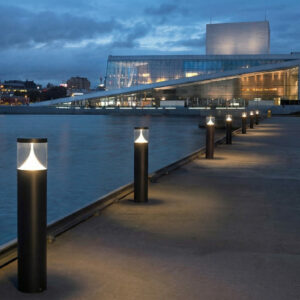
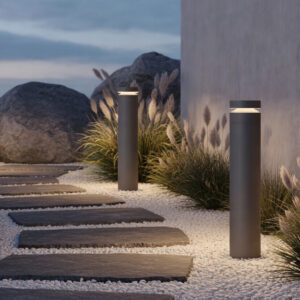
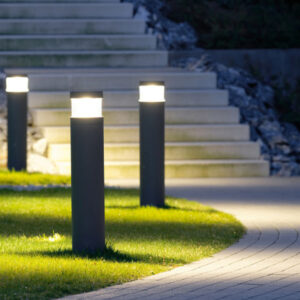
In architectural and landscape design, lighting is more than functionality—it is a tool for safety, aesthetics, and ambiance. Step lights exemplify this perfectly. They not only illuminate staircases, pathways, and outdoor steps but also guide pedestrians, reduce accidents, and elevate the atmosphere of a project.
From outdoor step lights in a luxury resort to LED recessed step lights in a corporate building, these fixtures are indispensable in both commercial and hospitality environments. This guide explores the many types of step lights, the standards they must meet, how they compare to consumer-grade alternatives, and the emerging trends shaping the future of architectural lighting.
Types of Step Lights and Their Applications
Step lights come in many forms, and choosing the right type depends on the project’s requirements.
Recessed vs. Surface-Mounted Step Lights
-
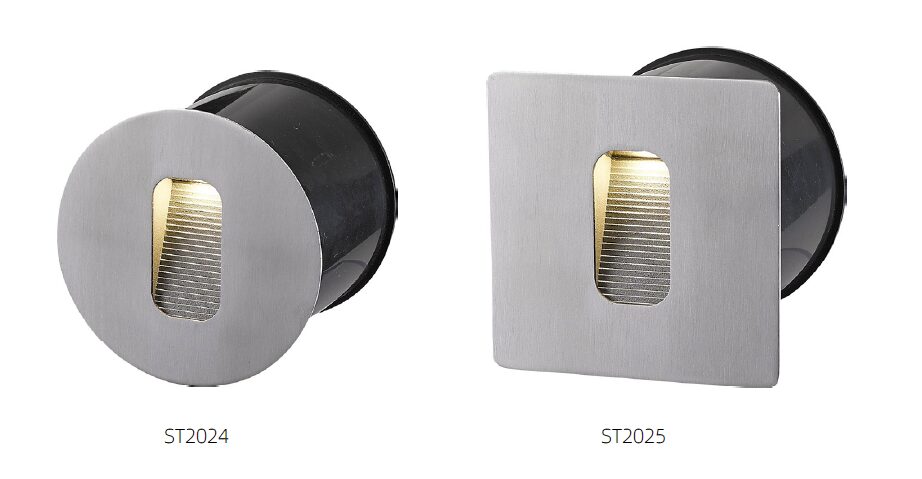
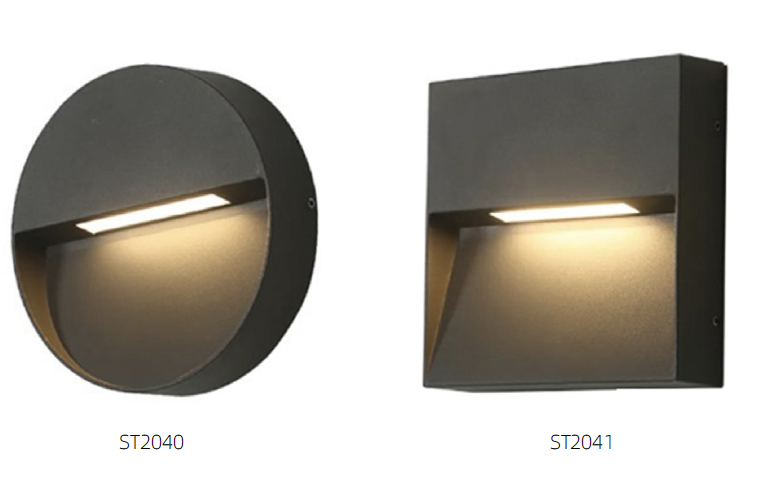
Recessed Step Lights: Installed flush into walls, risers, or pathways, they deliver a clean, minimalist look. Ideal for modern hotels, commercial corridors, or contemporary residences.
-
Surface-Mounted Step Lights: Attached directly to walls or facades, these are easier to install and can serve as decorative accents, particularly in outdoor garden lighting.
Louvered, Shielded, and Open-Face Styles
-
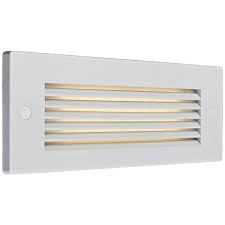
Louvered Step Lights: Feature horizontal slats that soften and direct the light downward, minimizing glare. Best for staircases in high-traffic areas.
-
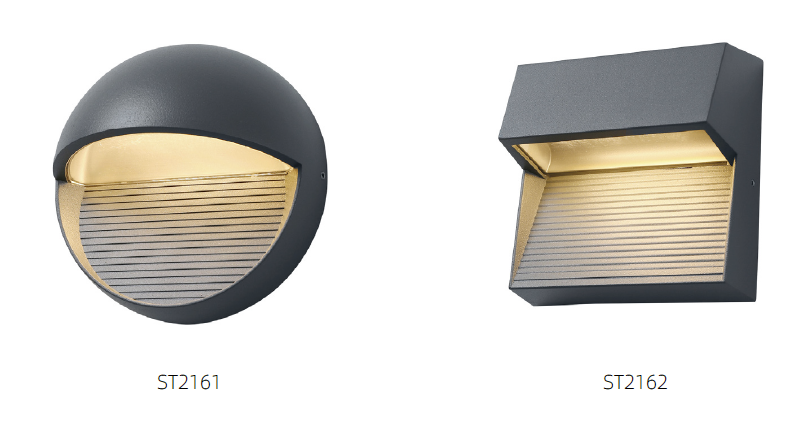
Shielded/Asymmetrical Step Lights: Use hoods or shields to project light forward and down, ideal for pathways where glare control is critical.
-
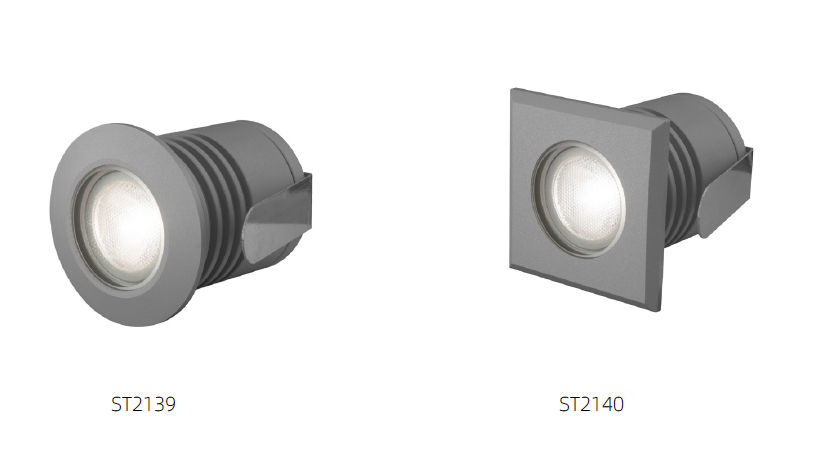
Open-Face Step Lights: Offer higher brightness and broader coverage, useful for plazas, outdoor seating areas, or commercial entrances.
Application-Specific Considerations
-
Indoor Stairs & Corridors: Require subtle, glare-free illumination (IP20–IP44).
-
Outdoor Step Lights: Must withstand weather with ratings of IP65 or higher.
-
Coastal Projects: Demand corrosion-resistant materials like marine-grade aluminum or 316L stainless steel.
Standards for High-Quality Step Lights
Project-grade step lights must meet stringent durability and performance requirements.
-
IP (Ingress Protection) Rating: Minimum IP65 for outdoor use; IP67 or IP68 for areas exposed to flooding.
-
IK (Impact Resistance) Rating: IK08 or higher ensures protection against vandalism and accidental damage.
-
Material Quality: Die-cast aluminum or stainless steel with powder coating for long-term performance.
-
LED Components: High-quality chips (CREE, OSRAM, Nichia) deliver consistent color, high CRI (>80), and long lifespans (L80B10 > 50,000 hrs).
-
Drivers: Reliable brands like Mean Well or Tridonic ensure stability, efficiency, and compatibility with smart control systems such as DALI.
Project-Grade vs. Consumer-Grade Step Lights
The difference between professional step lights and low-cost consumer options is significant.
| Feature | Project-Grade Step Lights | Consumer-Grade Step Lights |
|---|---|---|
| Durability | Built for 10–15 years; robust metal construction | Plastic or thin metal; fails within 1–2 years |
| Light Quality | High CRI, consistent color, engineered optics | Low CRI, inconsistent color, glare issues |
| Safety | Certified IP/IK ratings, reliable drivers | Often uncertified; risks of water ingress |
| Performance | Stable light output, backed by warranty (5+ years) | Rapid lumen depreciation, little or no warranty |
| Total Cost | Higher upfront, lower lifetime cost | Cheap initially, but frequent replacements needed |
Future Trends in Step Light Design
Step light technology is evolving rapidly. Key trends include:
-
Miniaturization: Compact LED step lights for seamless integration into stairs, walls, or even handrails.
-
Smart Step Lights: Wireless controls (Bluetooth, Zigbee) and DALI integration for dynamic dimming and energy management.
-
Human-Centric Lighting: Tunable white or warm-dim LEDs that adjust to natural circadian rhythms.
-
Sustainable Solutions: Energy-efficient LEDs, recyclable materials, and solar-powered step lights for eco-conscious projects.
Practical Considerations for Designers and Installers
Even the best fixture can fail without proper specification and installation.
-
For Designers:
-
Calculate spacing carefully to avoid dark patches or “runway effects.”
-
Mount at lower heights for better glare control.
-
-
For Installers:
-
Use IP68-rated connectors for outdoor wiring.
-
Ensure proper drainage for recessed step lights to prevent water pooling.
-
Conclusion: Elevate Projects with Step Lights
Step lights are not just a detail; they are a cornerstone of safe, functional, and beautiful lighting design. From recessed step lights for hotel corridors to outdoor LED step lights for landscapes, the right choice ensures durability, ambiance, and long-term performance.
When specified correctly, step lights reduce risks, enrich aesthetics, and add lasting value to architectural projects.
If you’re planning a project that demands professional-grade step lights engineered for performance and design excellence, we recommend consulting with the Lacelesty Lighting team.
👉 If you have any questions, please contact Lacelesty.