When discussing LED bulbs in architectural or commercial environments, we are not referring to the inexpensive lamps found in supermarkets. Instead, project-grade LED bulbs—such as GU10 LED bulbs, MR16 LED lamps, or AR111 LED bulbs—are engineered lighting instruments designed for precision, longevity, and visual performance. These lamps play a critical role in hotels, galleries, luxury residences, retail stores, and large commercial spaces where lighting quality directly influences ambience, branding, and user experience.
This guide provides a detailed understanding of how to select and specify LED bulbs in professional lighting projects, unveiling the technical criteria, installation challenges, and industry trends that define today’s high-performance lighting standards.
Types of LED Bulbs for Professional Projects
While countless form factors exist, project lighting primarily revolves around three key types:
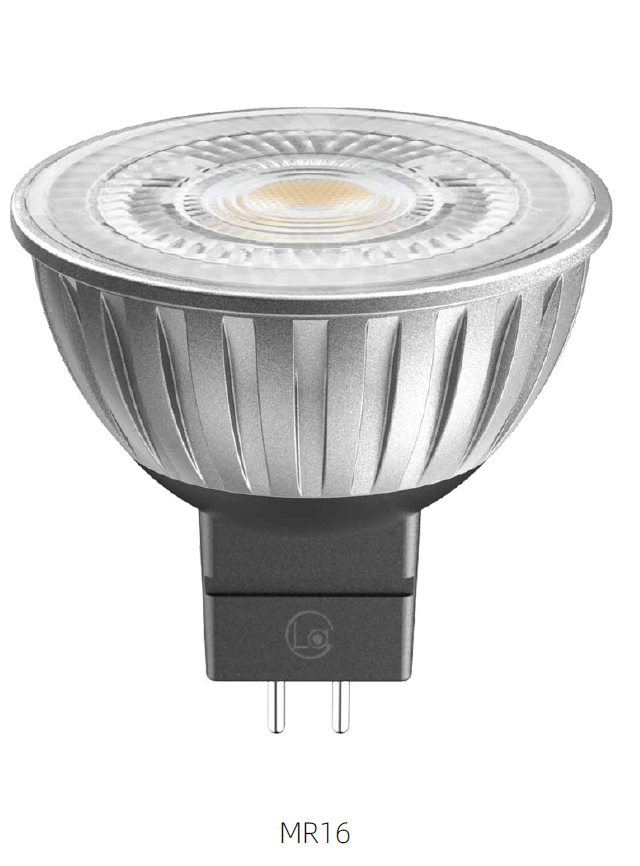
- MR16 (GU5.3): A low-voltage (typically 12V) lamp renowned for its compact size and sharp, precise beam control. Its small form factor makes it ideal for accent lighting in tight spaces, such as museum display cases, high-end retail shelving, and intimate hospitality settings where it can create dramatic, focused highlights.
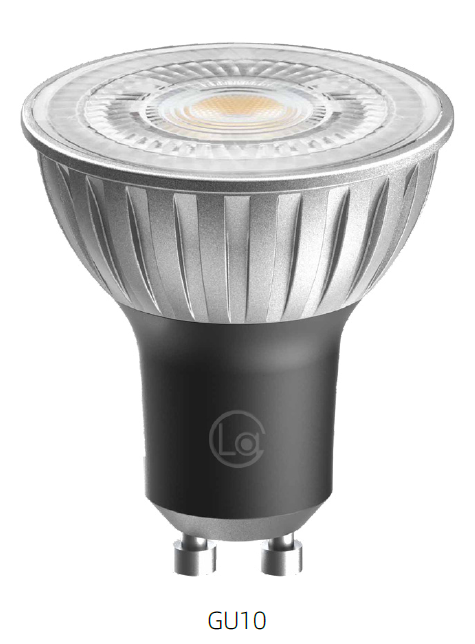
- GU10: A mains-voltage lamp that has become the versatile workhorse of interior lighting. Eliminating the need for an external transformer, it is widely used for general, task, and accent lighting in residential, hospitality, and commercial spaces. Its performance is heavily dependent on the quality of its internal driver.
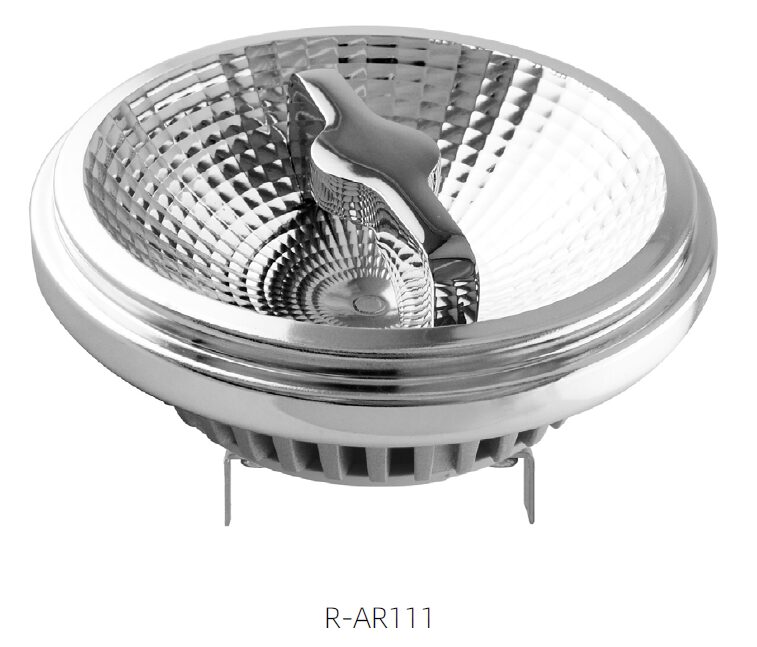
- AR111 (G53/GU10): A much larger, high-output lamp, the AR111 is designed for commercial spaces requiring a powerful punch of light from a distance. It is a common choice for high-ceilinged retail environments, showrooms, and galleries where its high lumen output and defined beam can effectively illuminate merchandise or architectural features.
These professional lamps offer refined optical control, allowing designers to create dramatic spot effects, uniform wall washing, or comfortable ambient lighting.
What Defines a Project-Grade LED Bulb?
A low-cost LED bulb failing in a home is inconvenient.
A bulb failing in a hotel lobby with an 8-meter ceiling becomes a costly maintenance issue.
Project-grade LED bulbs therefore follow stricter performance standards, including:
Essential Performance Criteria
-
LM-80 Tested — Verifies long-term lumen maintenance based on thousands of hours of testing.
-
L70/B10 Lifetime Classification — Ensures less than 10% of lamps drop below 70% brightness at rated life.
-
High-Temperature Components — Drivers using 105°C capacitors to survive enclosed fixtures.
-
3-Step MacAdam Binning — Guarantees colour consistency across large installations.
These standards ensure stable quality, uniform colour, and long-term reliability—critical for hospitality, retail, and commercial projects where lighting defines the experience.
Project vs Retail Bulbs: The Real Differences
Why can’t a £5 supermarket bulb match a £20 architectural-grade LED bulb?
Key Differences You Can’t See From the Outside
-
LED Driver Quality
Project-grade drivers offer flicker-free dimming, noise-free operation, and long service life. -
Thermal Management
Professional lamps use die-cast aluminium heat sinks for efficient cooling. -
Colour Consistency
Tight LED binning prevents mismatched colour temperatures in multi-lamp installations. -
Precision Optics
Professional LED bulbs feature engineered reflectors and lenses that produce clean, controlled beams.
For lighting designers, these invisible qualities dramatically affect visual comfort, glare control, and long-term maintenance.
Understanding Colour Quality: Beyond CRI
Modern lighting design demands more precise colour rendering than ever before.
Key Metrics to Consider
-
CRI (Ra) >95 — Ensures accurate colour reproduction.
-
R9 Value — Measures deep reds, important for skin tones, wood, fabrics, and food.
-
TM-30 (Rf & Rg) — Gives a complete picture of colour fidelity and saturation.
Retail, museums, restaurants, and hotels increasingly specify high-CRI LED bulbs to ensure materials look vibrant and natural under artificial light.
Intelligent LED Bulbs & Control Systems
In project lighting, “smart” does not mean Wi-Fi gadgets.
It refers to integrated, scalable building control systems such as:
-
DALI — The standard for dimming, zoning, and scene control in commercial architecture.
-
Casambi — Bluetooth mesh system ideal for renovations.
-
Zigbee — Used in some building automation environments.
Example:
A restaurant may use Dim-to-Warm LED bulbs connected to a DALI system, automatically shifting from 3000K during dinner service to 4000K during cleaning hours.
Common On-Site Challenges & How to Avoid Them
Even high-quality LED bulbs can fail if installation is not planned correctly:
-
Dimming Compatibility Issues — Leading-edge dimmers paired with LED loads cause flicker or buzzing.
-
Voltage Drop on MR16 Systems — Long cable runs result in uneven brightness.
-
Non-flicker-free drivers — Become noticeable on camera in conference rooms or hotels.
Careful specification and proper coordination with electrical contractors prevent these problems.
Future Trends in LED Bulbs
The next generation of LED bulb innovation includes:
-
Human-Centric Lighting (HCL) — Tunable white bulbs supporting circadian rhythms.
-
Miniaturization — Smaller chips leading to discreet architectural integration.
-
Sustainability & Repairability — Modular LED bulbs with replaceable drivers or optics.
LED bulb technology is moving beyond simple illumination toward fully integrated lighting ecosystems.
Need Professional LED Bulbs for Your Project?
Lacelesty Lighting has over 15 years of experience supplying project-grade LED bulbs for hotels, villas, retail, and commercial developments worldwide.
If you have any questions about LED bulbs, specifications, or custom project solutions, please contact Lacelesty.