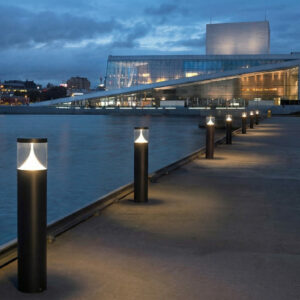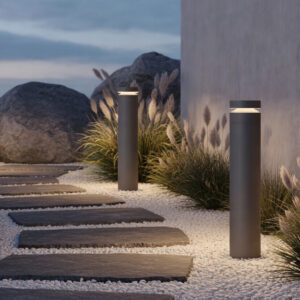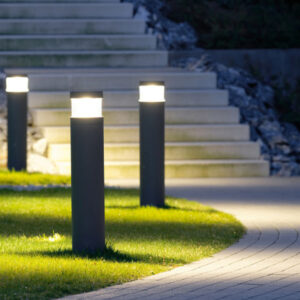
In modern architecture, display lighting has evolved beyond simple illumination—it is now an essential design tool for storytelling, atmosphere, and emotional engagement. From luxury retail boutiques and art galleries to museums and corporate showrooms, effective LED display lighting defines how people perceive and connect with objects. It reveals texture, enhances color, and creates a visual hierarchy that guides the viewer’s experience.
At the core of this discipline lies precision. Professional-grade display lighting systems—including mini spotlights, recessed fixtures, and linear showcase bars—are designed not just for brightness, but for beauty, control, and longevity. In contrast, consumer-grade options often fail to meet the performance and consistency standards required for architectural and commercial applications.
Understanding the Types of Display Lighting Fixtures
-
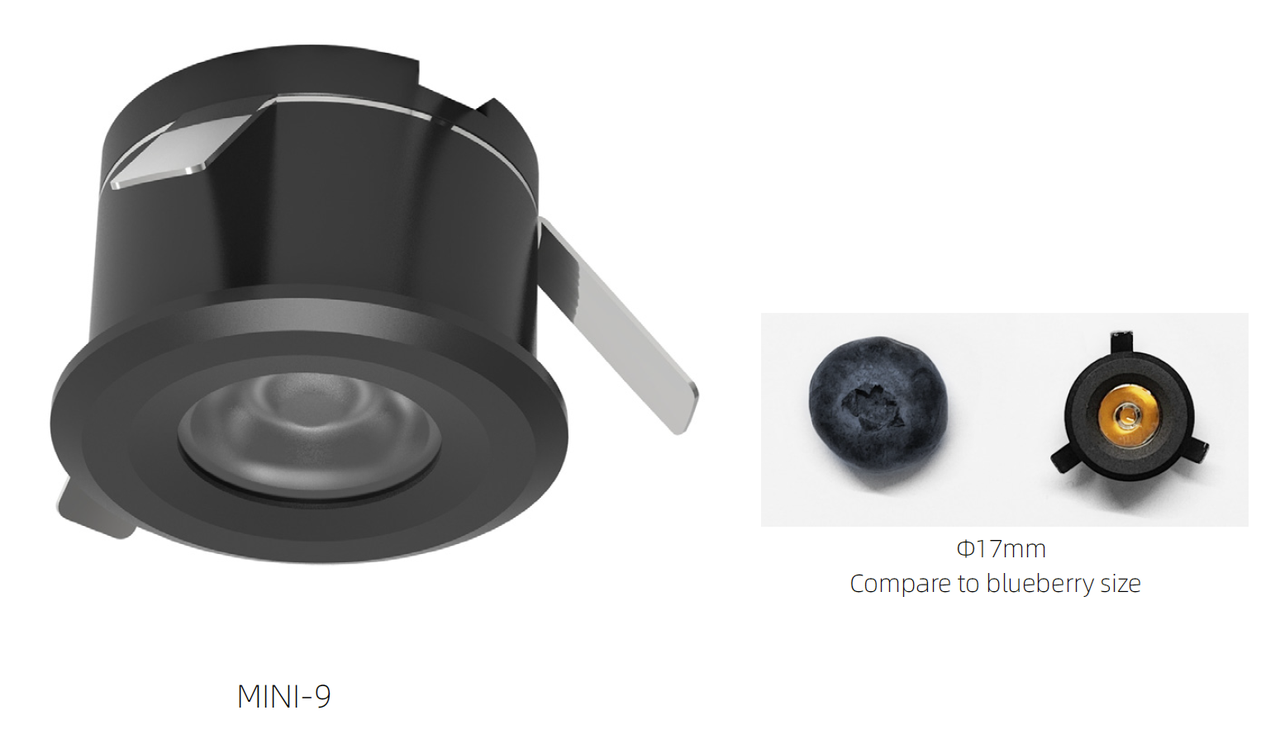
Recessed Miniature Downlights: These are designed for a seamless, ‘designed-in’ aesthetic, often integrated into the ceiling of a display cabinet or niche. They provide focused downlighting and are ideal for creating pools of light on static displays.
-
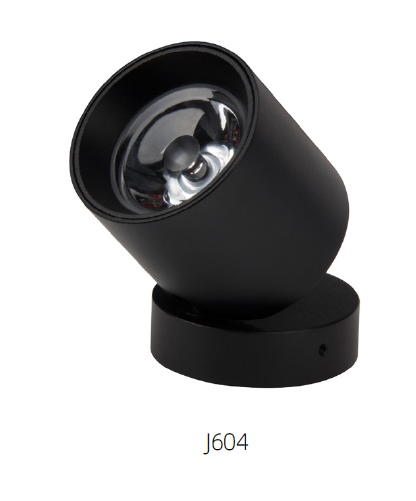
Surface-Mounted ‘Puck’ Lights: These low-profile, surface-mounted fixtures are versatile and often used for retrofitting existing cabinetry or illuminating shallow shelves where recessing is not feasible.
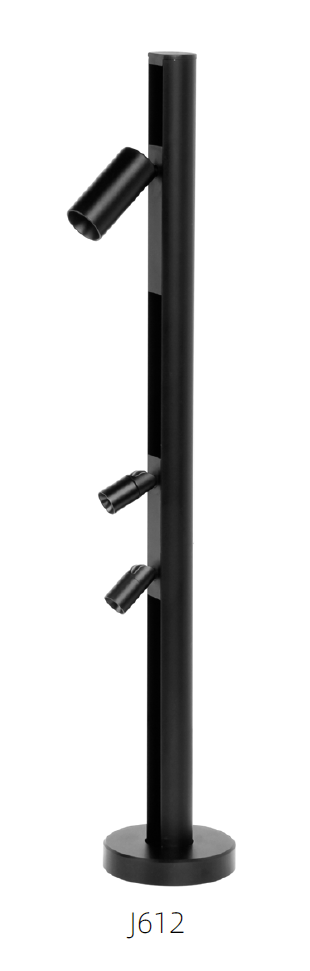
- Adjustable ‘Stem’ or ‘Pole’ Spotlights: Perhaps the most common type for high-value displays, these fixtures are mounted on a small stem or pole. They offer the greatest flexibility, allowing for precise aiming and tilting to highlight specific items, making them a favourite for jewellery counters and museum artefacts.
-
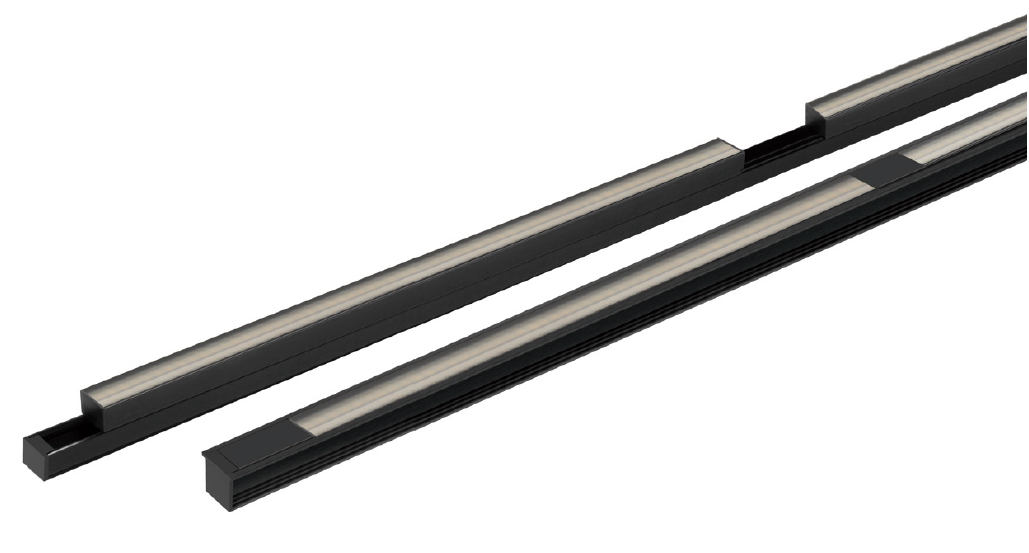
Miniature Linear Bars: For uniform illumination across the length of a shelf, such as for rare books or a collection of artefacts, miniature linear systems provide a consistent wall-wash or grazing effect within the confined space
Project-Grade vs. Consumer-Grade Display Lights
Not all LED display lights are created equal. The difference between professional and consumer-grade luminaires lies in their construction, optical precision, and durability.
Project-Grade Display Lighting:
-
Built with die-cast aluminum housing for superior thermal management.
-
Uses high-quality, tightly binned LEDs (within a 2-step MacAdam ellipse) for consistent color across all fixtures.
-
Employs remote flicker-free drivers compatible with DALI, 0–10V, or Bluetooth Mesh dimming systems.
-
Offers verified performance data (e.g., L80B10 @ 50,000–60,000 hours).
Consumer-Grade Display Lighting:
-
Often made from low-cost plastic, leading to poor heat dissipation.
-
Inconsistent color temperatures and visible tint variations.
-
Limited control options and poor compatibility with smart systems.
-
Short operational lifespan due to basic integrated drivers.
For high-end applications such as museums, luxury retail, or fine art displays, professional-grade systems are the only viable choice for achieving consistent and high-quality illumination.
Key Technical Criteria for Professional Display Lighting
When specifying display lighting for architecture or retail, several performance metrics determine the success of the installation:
-
CRI (Color Rendering Index) ≥ 90: Ensures accurate color reproduction.
-
R9 > 80: Essential for rendering warm tones, textiles, and human skin.
-
SDCM ≤ 3: Guarantees consistent color appearance across multiple fixtures.
-
Low UGR (Unified Glare Rating): Minimizes discomfort and visual glare.
-
Optical Precision: Narrow beam angles (10°–25°) are ideal for accent lighting; wider beams (30°–60°) for general illumination.
-
Control Compatibility: Must support DALI, DMX, or Casambi for intelligent dimming and scene management.
Common Challenges in Display Lighting Design
Even the most advanced fixtures can underperform if not specified or installed properly. Common pitfalls include:
-
Poor Integration: Fixtures that protrude or distract from the display design.
-
Improper Driver Placement: Remote drivers require concealed yet ventilated spaces.
-
Overheating: Inadequate cabinet ventilation reduces LED lifespan.
-
Inconsistent Wiring: Poor cable management leads to voltage drop or visible shadows.
Professional planning during early design stages ensures clean installation, stable performance, and long-term reliability.
Emerging Trends in Display Lighting
The evolution of architectural display lighting continues to accelerate. Three major trends define the next generation of project lighting:
-
Miniaturization & Precision: Advancements in LED efficiency allow smaller fixtures with higher lumen output—ideal for delicate joinery and minimalist spaces.
-
Enhanced Color Science: Adoption of TM-30 metrics to evaluate color fidelity and saturation, offering a more accurate light quality assessment than CRI alone.
-
Sustainability & Serviceability: Recyclable materials, replaceable LED engines, and eco-conscious design are becoming standard expectations in professional projects.
Why Partner with a Professional Manufacturer
Choosing the right display lighting manufacturer is as important as choosing the right product. A professional supplier like Lacelesty Lighting offers:
-
Custom-tailored optical solutions for luxury interiors and exhibitions.
-
Consistent binning and CRI assurance for large-scale projects.
-
Full technical documentation including IES files, LM80/LM79 reports, and photometric data.
-
Expert design support for integration, dimming setup, and control systems.
Conclusion
Display lighting is not simply about brightness—it’s about creating emotion, depth, and meaning through illumination. From a single showcase to an entire museum exhibition, the right combination of optics, color rendering, and control transforms visual storytelling into a refined art form.
At Lacelesty Lighting, we bring over fifteen years of experience in professional project lighting. Whether you’re designing for retail, hospitality, or gallery applications, our display lighting solutions deliver unmatched precision and reliability.
If you have any questions about your project or need professional guidance, please contact Lacelesty.