When it comes to architectural lighting, few fixtures offer as much precision and flexibility as indoor spot lights. Far from the simple lights found in consumer stores, project-grade LED indoor spotlights are engineered for performance, aesthetics, and reliability. For architects, lighting designers, and MEP consultants, specifying the correct indoor spot light can dramatically affect visual comfort, energy efficiency, and the overall design atmosphere.
This guide explores the key principles behind choosing, specifying, and installing professional indoor spot lights for architectural and commercial applications.
1. Understanding the Different Types of Indoor Spot Lights
Not all indoor spot lights are created equal. Each type serves a distinct purpose depending on the environment, ceiling structure, and design intent.
-
Recessed Spot Lights: These are the most common in commercial projects, designed to be flush with the ceiling for a clean aesthetic.
-
Fixed (Downlight): Provides general, uniform illumination. Ideal for corridors, open-plan offices, and back-of-house areas.
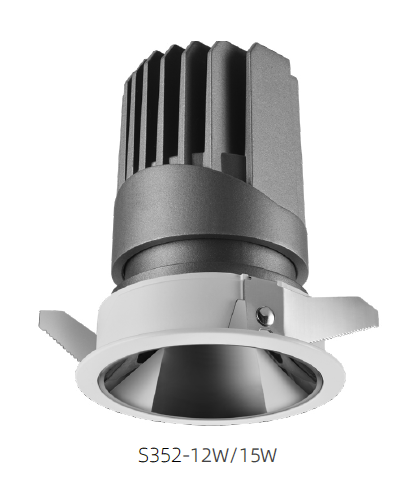
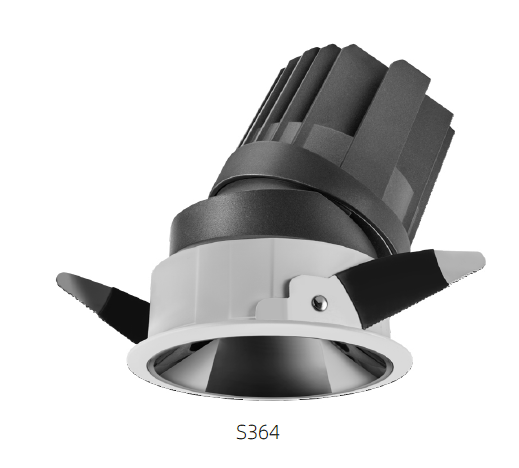
- Adjustable (Gimbal): Features a pivoting head, allowing the beam to be directed. This is essential for accent lighting (highlighting artwork, retail displays, or architectural features) and wall washing.
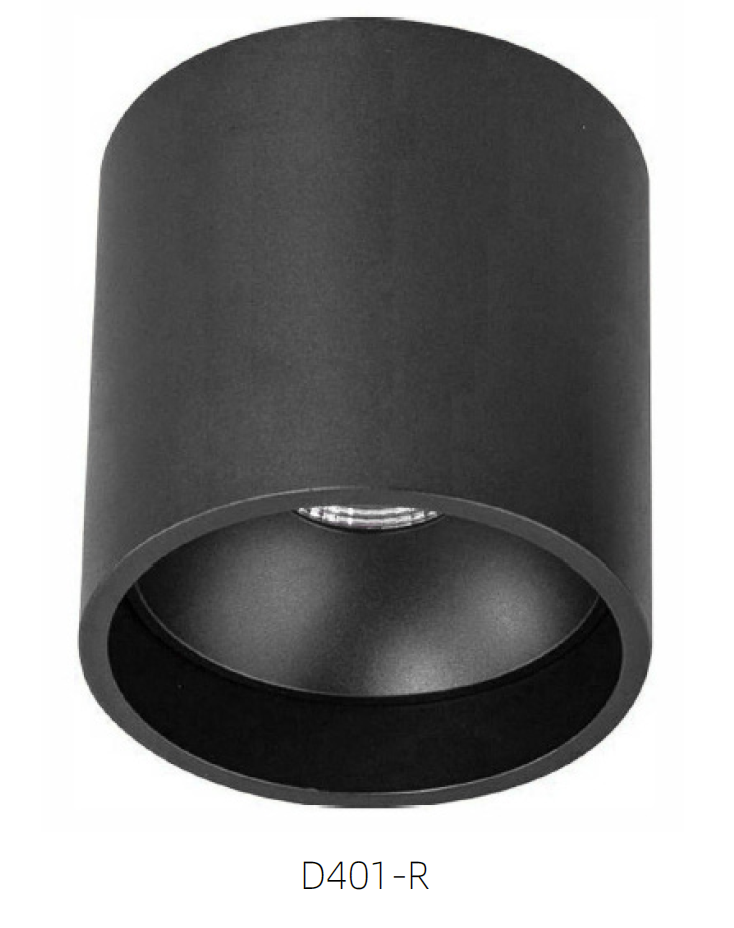
- Surface-Mounted Spot Lights: When a ceiling void is not available (e.g., concrete slabs, historic buildings), surface-mounted cylinders or blocks are used. They make a stronger architectural statement and are common in hospitality and retail fit-outs.
- Track-Mounted Spot Lights: Offering the ultimate flexibility, track systems allow fixtures to be easily moved, repositioned, and interchanged. This is the standard for galleries, museums, and high-end retail environments where displays frequently change.

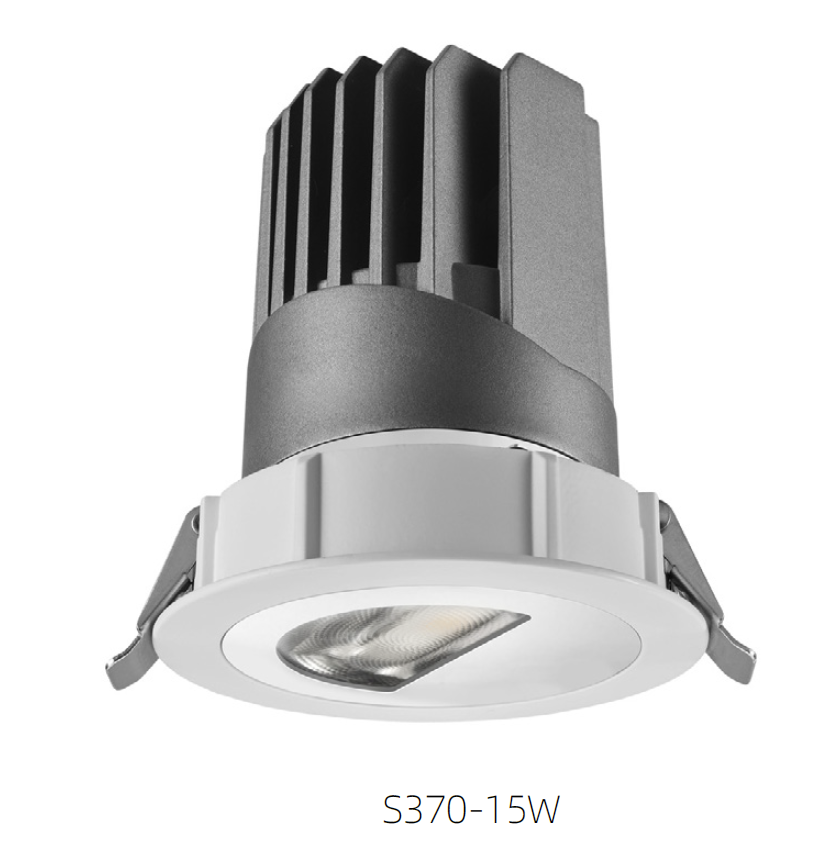
- Asymmetric Spot Lights: A highly specialized tool. These fixtures are recessed near a wall and use advanced optics to throw light evenly down the vertical surface. This wall-washing technique creates a sense of brightness and spaciousness in a room, a key concept in modern lighting design.
-
Each fixture type plays a unique role in shaping the interior space — from creating focal points in retail displays to achieving smooth, shadow-free wall illumination in galleries.
2. The Hallmarks of Professional-Grade Indoor Spot Lights
A high-quality architectural indoor spotlight stands apart from low-cost retail products. The difference lies not only in price but also in build quality, performance stability, and compliance standards.
| Specification | Low-Cost Retail Light | Project-Grade Indoor Spot Light |
|---|---|---|
| Housing Material | Plastic or thin steel | Die-cast aluminum for heat dissipation |
| LED Chip Quality | Unspecified, inconsistent color | Branded LED (Cree, Osram, Bridgelux) |
| CRI (Color Rendering Index) | <80 CRI | ≥90 CRI for true color accuracy |
| Color Consistency | 5–7 step MacAdam ellipse | 2–3 step MacAdam ellipse (perfect uniformity) |
| Driver Type | Built-in, non-replaceable | External, replaceable, branded driver (Tridonic, Eaglerise) |
| Lifetime (L Rating) | Unspecified | L80 B10 @ 50,000 hours minimum |
| Certifications | Basic CE | CE, RoHS, IP20/IP44/IP65, and custom project compliance |
| Warranty | 1–2 years | 5–7 years, full after-sales support |
For professional projects, reliability and consistency are non-negotiable. Using low-quality fixtures can lead to color mismatch, premature failure, and high maintenance costs.
3. Beyond Brightness: The Role of Optics and Glare Control
In architectural lighting, brightness alone is not enough. True performance depends on optical quality, glare control, and comfort.
A 500-lumen spot light with excellent optics can outperform a 1000-lumen fixture with poor glare control. Glare causes visual fatigue and discomfort — especially in workplaces or hospitality environments.
Common Glare-Control Techniques:
-
Deep-Baffled Design: Recessed light source to minimize direct glare.
-
Anti-Glare Tubes: Reduce the visible angle of the LED.
-
Honeycomb Louvres: Small grid filters to soften light without changing beam shape.
-
UGR Rating (Unified Glare Rating): For commercial interiors, a UGR below 19 is typically required.
The right optics ensure not just adequate illumination but also a calm, inviting visual experience.
4. From Specification to Installation: Avoiding Common Pitfalls
Even the best design can fail due to incorrect specification or installation practices.
Design Mistakes to Avoid:
-
Incorrect Beam Angles: A 15° beam is too narrow for general lighting; use 24°–36° for accent, 60° for ambient light.
-
Color Temperature Mismatch: Choose CCT based on materials — 3000K for warm wood interiors, 4000K for modern offices.
-
Ignoring Ceiling Depth: Always verify fixture depth against ceiling void space.
-
Underestimating Control Systems: Ensure wiring matches your control type (DALI, 0–10V, or Casambi).
Installation Challenges:
-
Cut-Out Size Errors: Double-check before drilling — mismatched cut-outs waste both time and fixtures.
-
Thermal Management: Avoid surrounding the fixture with insulation; allow ventilation for longer lifespan.
-
Improper Wiring: Using 3-core instead of 5-core in DALI systems disables smart control.
Professional lighting suppliers like Lacelesty Lighting often provide detailed installation drawings and wiring guidance to prevent these issues on-site.
5. The Future of Indoor Spot Lights: Smart, Human-Centric, and Sustainable
The next generation of LED indoor spotlights is smarter and greener than ever.
Smart Lighting Control
-
DALI (Digital Addressable Lighting Interface): Enables scene control, dimming, and real-time diagnostics in large projects.
-
Casambi or Bluetooth Mesh: Wireless control perfect for retrofit or heritage buildings where rewiring is not possible.
Human-Centric Lighting (HCL)
Modern spot lights can adjust from 2700K warm white to 6500K cool daylight, mimicking natural circadian rhythms. This enhances comfort, focus, and overall well-being in offices, hospitals, and schools.
Sustainability & Circular Design
Architectural lighting is moving toward modular, repairable systems. Instead of replacing an entire fixture, only the driver or LED module is swapped, minimizing waste and cost.
Miniaturization
With higher lumen-per-watt efficiency, spot lights are shrinking in size while maintaining brightness. Minimalist “pinhole” designs (10–20mm apertures) deliver discreet yet powerful accent lighting — ideal for high-end interiors.
Why Choose Lacelesty Lighting?
At Lacelesty Lighting, we combine engineering precision with aesthetic sensibility. With over 15 years of professional experience, our team provides end-to-end lighting solutions — from product specification to on-site technical support.
We manufacture a wide range of indoor spot lights, including:
-
Adjustable recessed spot lights
-
Mini LED downlights
-
Track-mounted display lights
-
Museum-grade wall washers
-
Smart DALI and Casambi-ready fixtures
Each product is tested for optical performance, consistency, and long-term reliability — ensuring your project lighting performs beautifully for years to come.
Need Expert Help?
If you have any questions about indoor spot lights or require a custom lighting solution for your upcoming project, please contact Lacelesty Lighting.
Our professional team is ready to assist with design support, sample requests, and technical consultation.