In modern healthcare facilities, lighting is no longer treated as a purely technical necessity. From patient recovery and staff accuracy to infection control and energy management, healthcare lighting plays a critical role in shaping the quality of care delivered inside hospitals, clinics, and medical centers.
As global healthcare standards continue to rise, lighting designers and project developers are shifting toward human-centric, energy-efficient, and smart healthcare lighting solutions that support both clinical performance and patient well-being. This article explores how professional healthcare lighting design improves outcomes, reduces operational costs, and creates safer, more comfortable medical environments.
Why Healthcare Lighting Matters More Than Ever
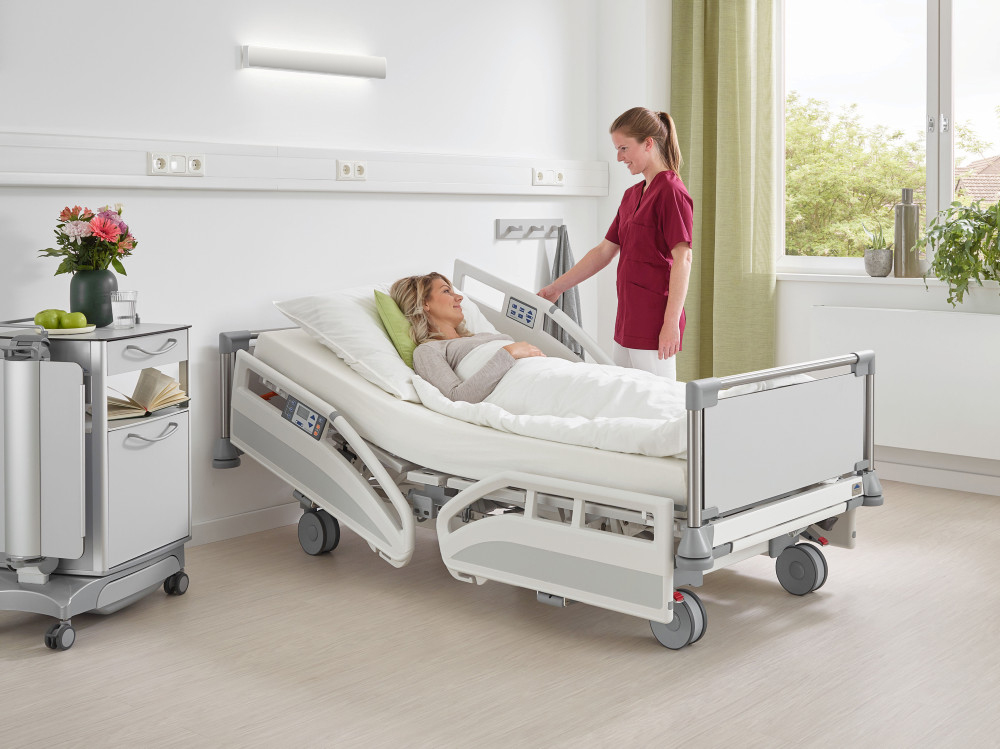
Healthcare environments operate 24/7 and serve people in vulnerable physical and emotional states. Poor lighting can increase medical errors, disrupt patient sleep, and add unnecessary stress for healthcare workers.
Well-designed hospital lighting systems address these challenges by balancing visual clarity, comfort, safety, and sustainability.
Key benefits of optimized healthcare lighting include:
-
Improved patient recovery and comfort
-
Enhanced visual accuracy for medical staff
-
Reduced fatigue and workplace errors
-
Lower energy consumption and maintenance costs
-
Better compliance with healthcare and safety regulations
Supporting Patient Recovery Through Human-Centric Lighting
Circadian Rhythm and Patient Well-Being
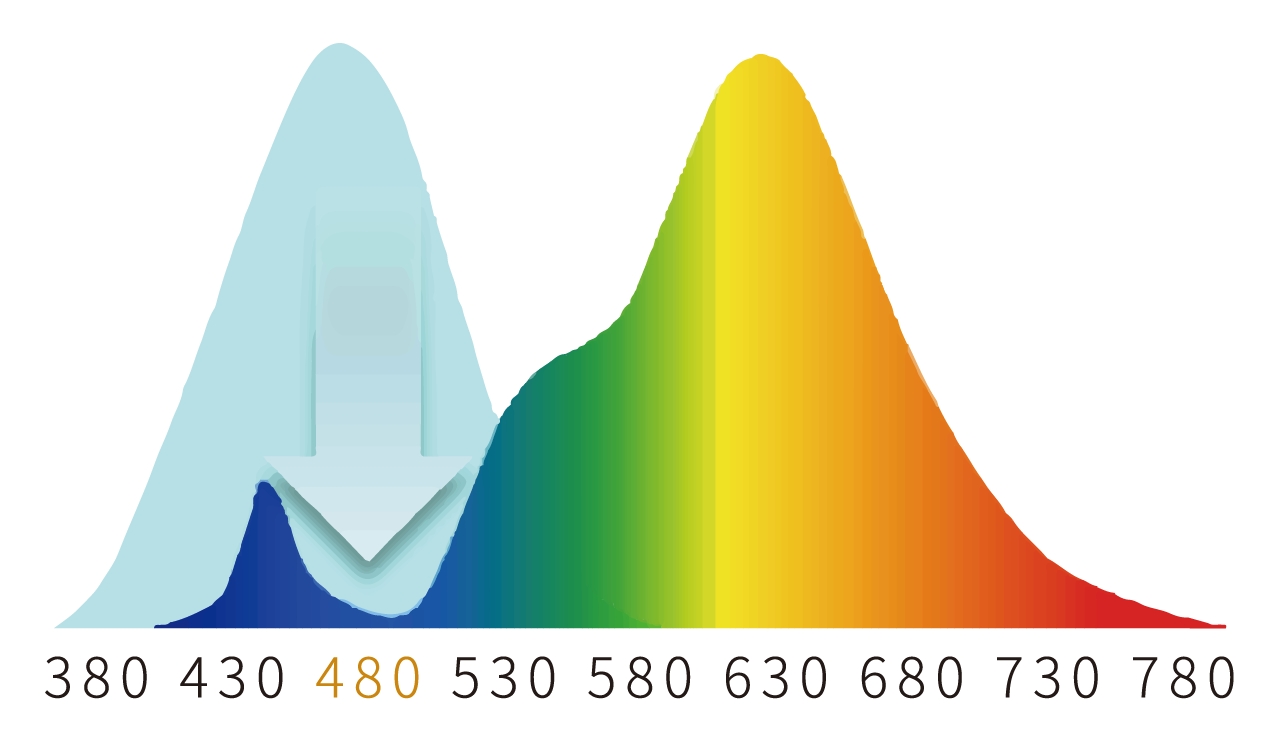
One of the most important advances in healthcare lighting is circadian rhythm support. Human-centric healthcare lighting mimics the natural progression of daylight, helping patients maintain healthy sleep-wake cycles even during extended hospital stays.
-
Cooler white light (4000K–5000K) during the day supports alertness
-
Warm white light (2700K–3000K) in the evening promotes rest and relaxation
-
Tunable white lighting systems allow automatic or manual adjustment throughout the day
This approach has been shown to reduce patient anxiety, improve sleep quality, and support faster recovery.
Visual Comfort and Glare Control
Patients spend long hours lying down, often looking directly at ceilings and luminaires. Healthcare lighting must therefore minimize glare and harsh contrasts.
Key design considerations include:
-
Diffused ambient lighting for general illumination
-
Low-glare fixtures with deep recess or optical shielding
-
Adjustable bedside lighting for personal control
Enhancing Medical Staff Performance and Safety
High Color Rendering for Clinical Accuracy
In medical environments, accurate color perception is essential. High CRI healthcare lighting (CRI ≥ 90) allows doctors and nurses to clearly assess skin tones, wounds, and medical conditions.
Applications requiring high CRI include:
-
Examination rooms
-
Treatment areas
-
Surgical preparation spaces
Task-Oriented Lighting Design
Healthcare lighting should follow a layered lighting strategy:
| Lighting Layer | Purpose | Typical Areas |
|---|---|---|
| Ambient Lighting | General illumination | Corridors, patient rooms |
| Task Lighting | Precision visibility | Nurse stations, exam tables |
| Accent Lighting | Orientation & comfort | Waiting areas, reception |
This structure improves visibility while reducing eye strain and fatigue for staff working long shifts.
Infection Control and Fixture Design
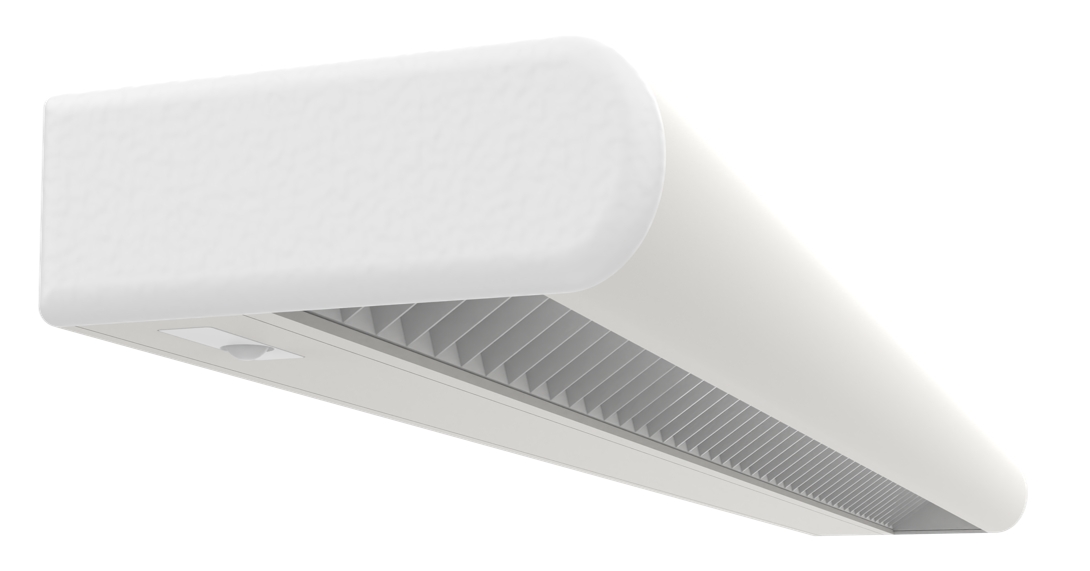
Infection control is a top priority in healthcare facilities. Lighting fixtures must support strict hygiene protocols.
Effective healthcare lighting solutions include:
-
Smooth, sealed luminaire designs that prevent dust accumulation
-
Antimicrobial-coated hospital luminaires
-
Easy-to-clean materials resistant to harsh disinfectants
Lighting design should also minimize fixture complexity in sterile zones, reducing maintenance-related contamination risks.
Energy-Efficient Hospital Lighting Systems
LED Technology as the Standard
Modern LED healthcare lighting has replaced fluorescent and halogen systems in most new projects due to its advantages:
-
Up to 70–80% lower energy consumption
-
Long lifespan, reducing replacement frequency
-
Stable, flicker-free performance
-
Compatibility with smart lighting controls
These benefits make LED lighting essential for hospitals seeking long-term operational efficiency.
Smart Controls and Automation
Smart lighting systems further enhance efficiency and adaptability:
-
Occupancy sensors reduce lighting in unused spaces
-
Daylight sensors adjust artificial lighting based on natural light
-
Centralized control systems simplify facility management
In large hospitals, these systems significantly reduce energy costs while maintaining consistent lighting quality.
Smart Healthcare Lighting: Preparing for the Future
Healthcare lighting is increasingly integrated into smart building ecosystems. Wireless control protocols and digital management platforms allow facilities to adapt lighting conditions in real time.
Key innovations include:
-
App-based lighting control for staff
-
Integration with building management systems (BMS)
-
Data collection on lighting usage and space occupancy
These features support both sustainable healthcare retrofits and future expansion.
Best Practices for Healthcare Lighting Projects
When specifying healthcare lighting, project teams should focus on:
-
Human-centric lighting design principles
-
High CRI and glare control
-
Energy efficiency and long product lifespan
-
Compatibility with smart dimming and control systems
-
Compliance with local healthcare regulations
Choosing the right lighting partner is just as important as choosing the right fixtures.
Healthcare Lighting Solutions by Lacelesty
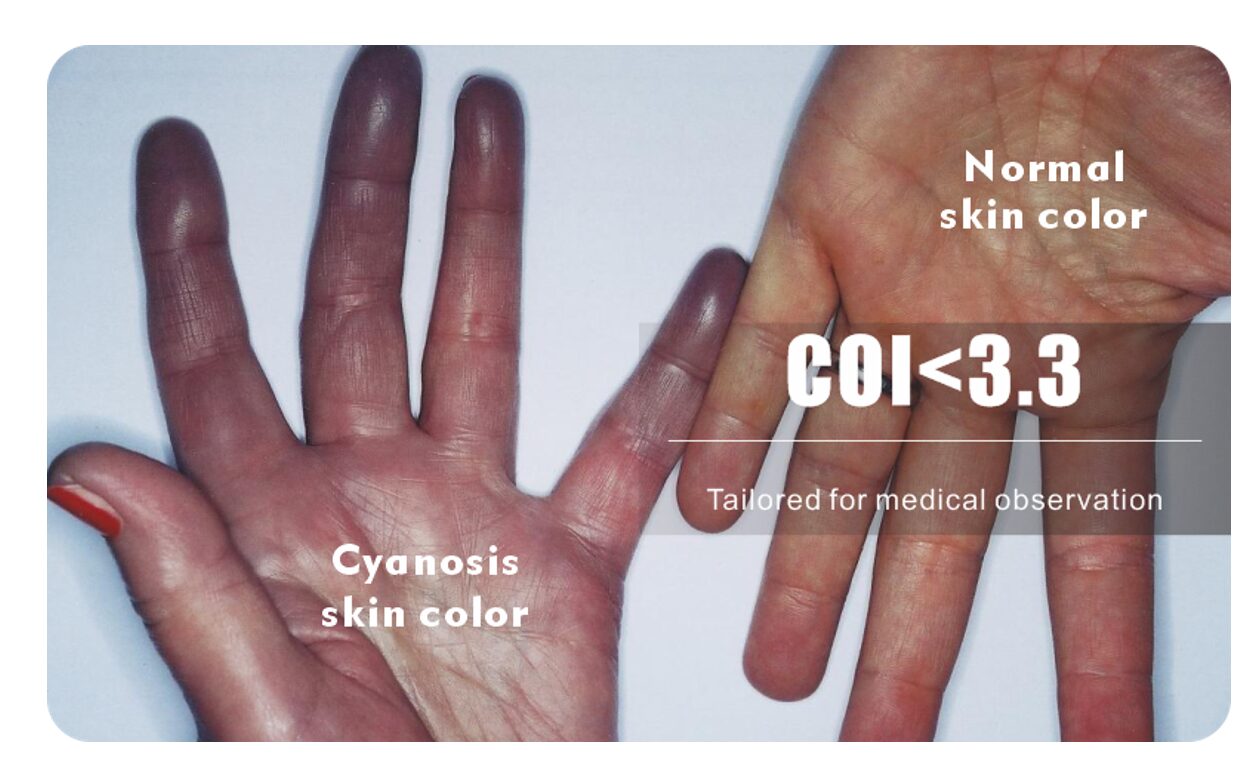
At Lacelesty Lighting, we specialize in project-based healthcare lighting solutions for hospitals, clinics, and medical complexes worldwide.
Our strengths include:
-
Human-centric and tunable white lighting systems
-
High-CRI LED luminaires for clinical accuracy
-
Energy-efficient hospital lighting solutions
-
Custom fixture designs for infection control environments
-
Support for DALI and smart lighting control systems
We work closely with architects, lighting designers, and contractors to ensure every healthcare project achieves the highest standards of performance, safety, and comfort.
Contact Lacelesty Lighting

Healthcare lighting is a long-term investment in patient care and operational excellence.
If you have any questions about healthcare lighting design, product selection, or project customization, please contact Lacelesty Lighting.