Hospital lighting design is no longer just about meeting basic illumination standards. In modern healthcare facilities, lighting plays a critical role in patient recovery, staff performance, infection control, energy efficiency, and overall hospital experience. As medical buildings become more complex and patient-centered, professional hospital lighting design has become a key component of successful healthcare architecture.
This article explores how hospital lighting should be designed using modern technology, human-centric principles, and intelligent systems—while expanding into related fields such as healthcare lighting, medical lighting solutions, and architectural lighting design.
Why Hospital Lighting Design Matters
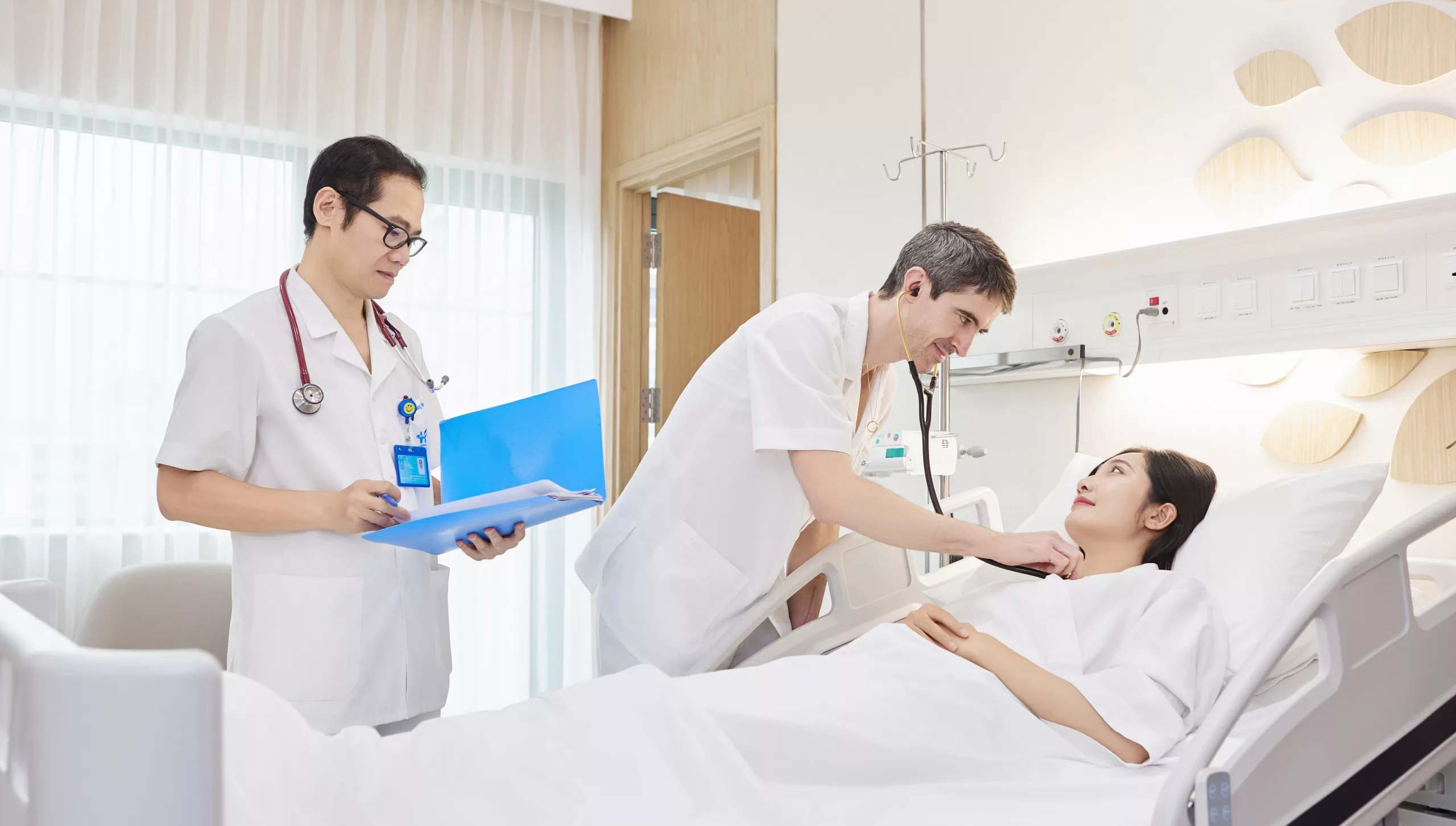
Hospitals operate 24/7 and serve people under physical and emotional stress. Poor lighting can cause fatigue, anxiety, medical errors, and increased operational costs. Effective hospital lighting design must balance:
-
Visual comfort for patients
-
Precision and clarity for medical staff
-
Safety and compliance with medical standards
-
Energy efficiency and long-term maintenance
Unlike standard commercial lighting, hospital lighting requires higher color accuracy, strict glare control, hygiene-friendly fixtures, and reliable emergency performance.
Core Principles of Hospital Lighting Design
A successful hospital lighting design follows these essential principles:
Functional Accuracy
Each hospital area has unique tasks, from diagnosis to surgery to rest. Lighting must support these functions precisely.
Human-Centric Lighting
Light affects circadian rhythm, mood, and healing. Tunable white lighting and warm tones are increasingly used to support patient recovery and staff well-being.
Safety & Compliance
Lighting must meet international healthcare standards for illumination levels, electrical safety, electromagnetic compatibility, and emergency backup.
Energy Efficiency
Hospitals are energy-intensive buildings. Efficient LED healthcare lighting combined with smart controls significantly reduces operating costs.
Hospital Lighting Design by Functional Area
1. Outpatient & Consultation Areas
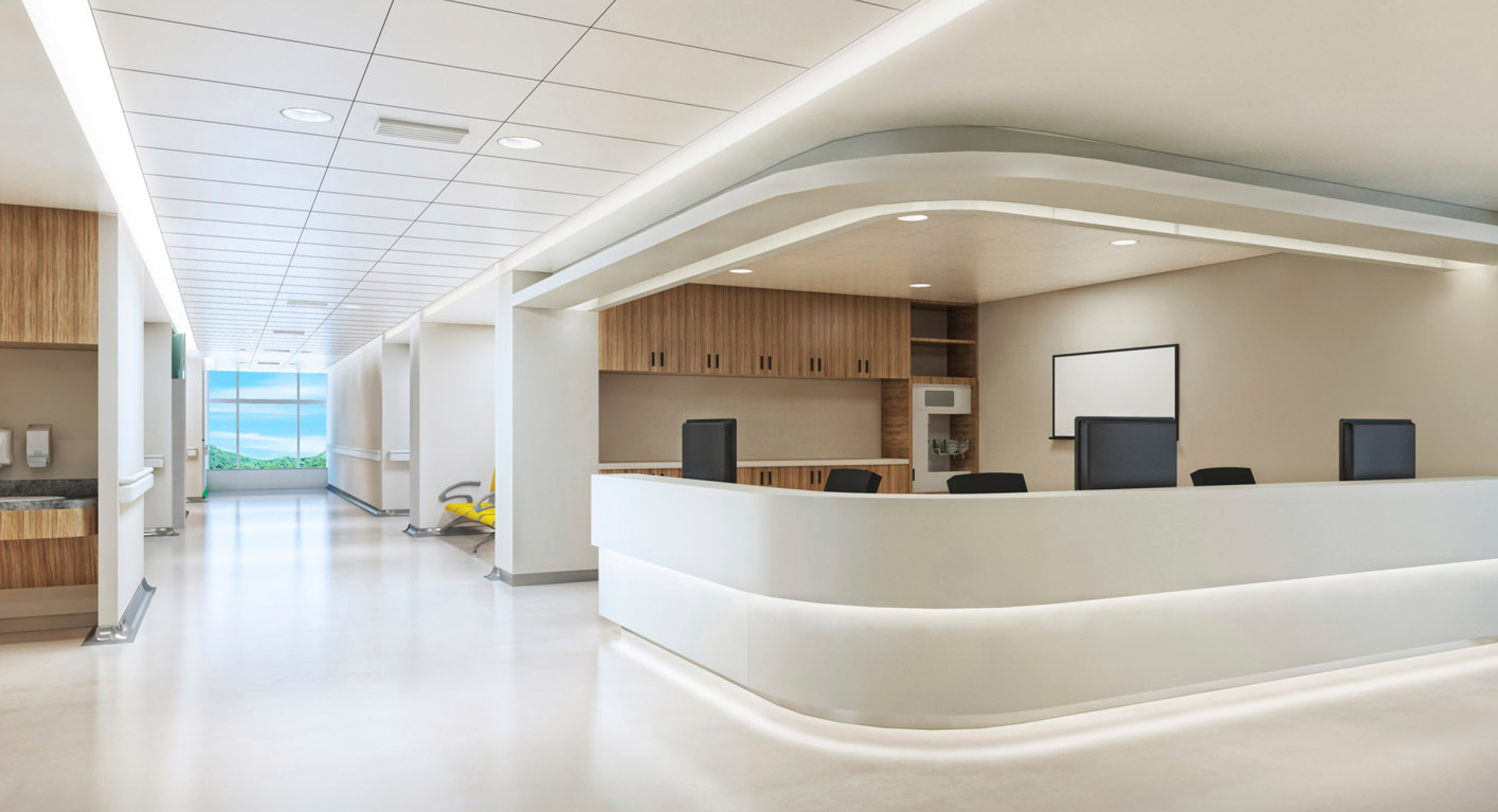
The goal of outpatient lighting is to create a calm, reassuring environment while supporting accurate medical observation.
Design Recommendations:
-
Illuminance: 300–500 lux
-
Color temperature: 3000K–4000K
-
High CRI (≥90) for accurate skin tone recognition
-
Flicker-free LED ceiling lights and downlights
Emergency consultation areas require brighter, cooler lighting (up to 5000–6000K) to support rapid diagnosis and response.
2. Medical Examination & Diagnostic Rooms
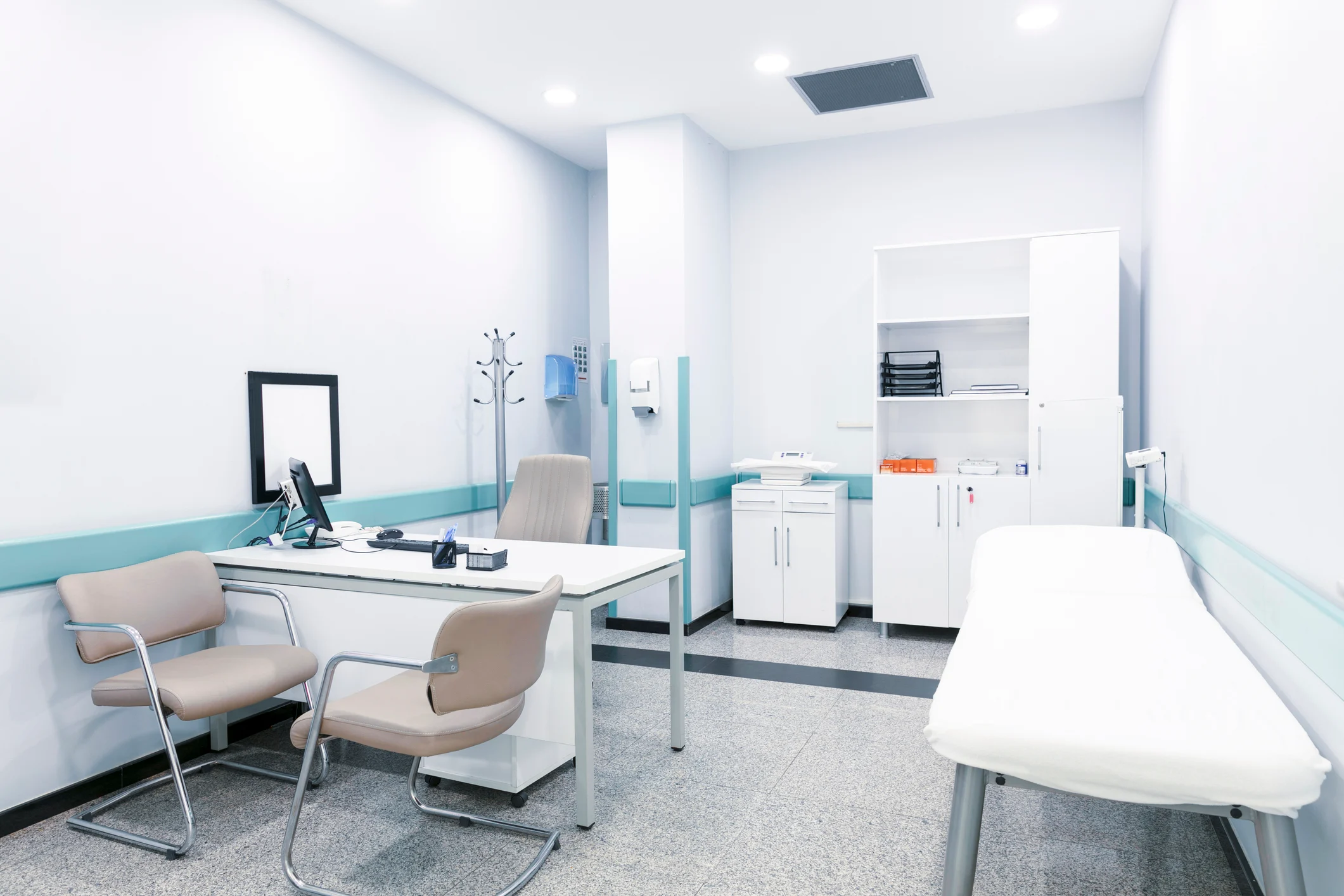
Examination rooms and laboratories demand precise lighting without glare or visual distortion.
| Area Type | Recommended Illuminance | Lighting Notes |
|---|---|---|
| Laboratories | 300–500 lux | Glare-free, high uniformity |
| Physiological Exam Rooms | 150–300 lux | Comfortable, non-oppressive lighting |
| Imaging & Radiology | Dimmable | Low ambient light, no high intensity |
Special environments may require anti-corrosion, waterproof, or EMC-shielded medical lighting fixtures.
3. Surgery Rooms & Clean Areas
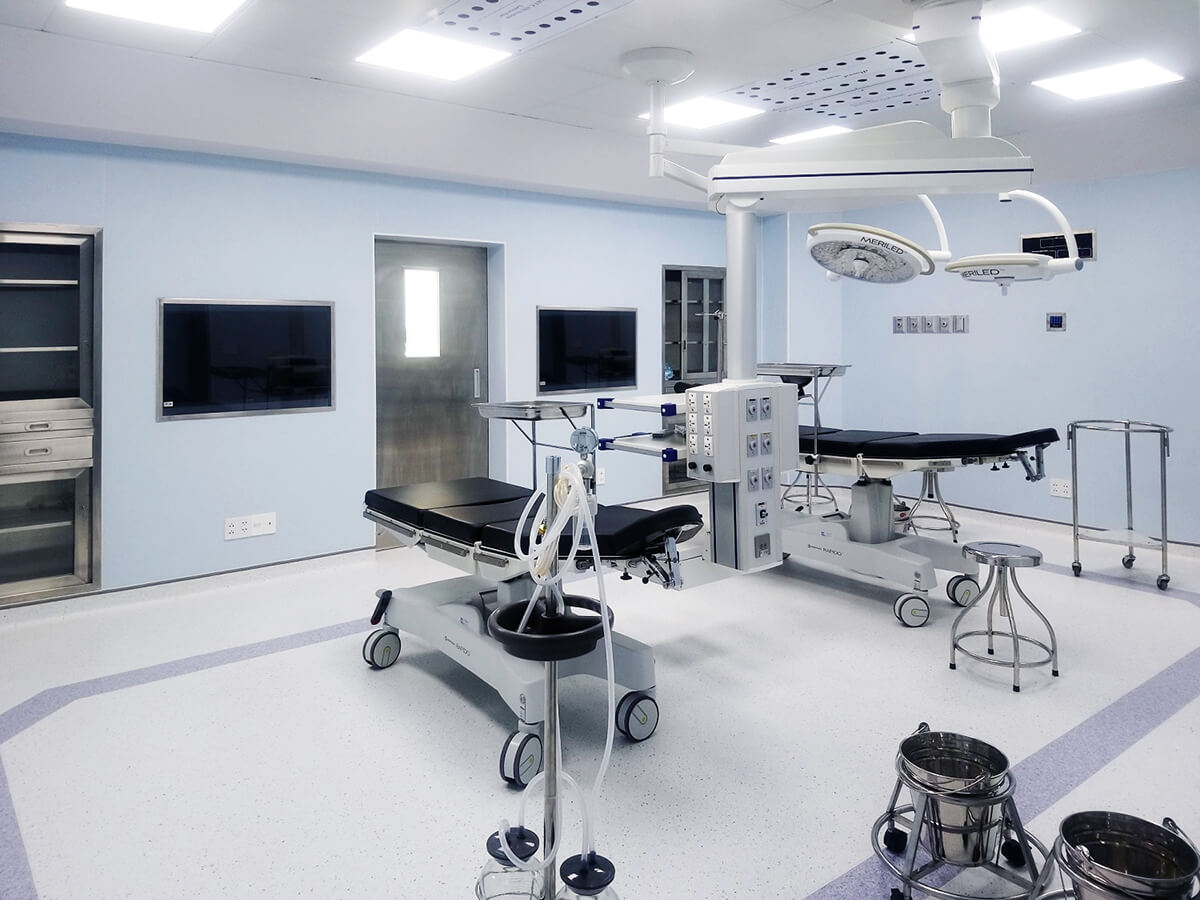
Operating rooms represent the highest standard in hospital lighting design.
Key Requirements:
-
General lighting: 750–1000 lux
-
Very high color rendering (CRI ≥ 90)
-
No UV or infrared radiation
-
Sealed, dust-proof, sterile luminaires
-
Emergency lighting integration
Modern surgical lighting systems often use low-voltage LED panels with drivers installed outside clean zones to reduce electromagnetic interference and improve safety.
Clean areas such as ICUs, NICUs, dialysis rooms, and GMP clean rooms follow similar principles with tailored illumination levels.
4. Hospital Ward Lighting Design
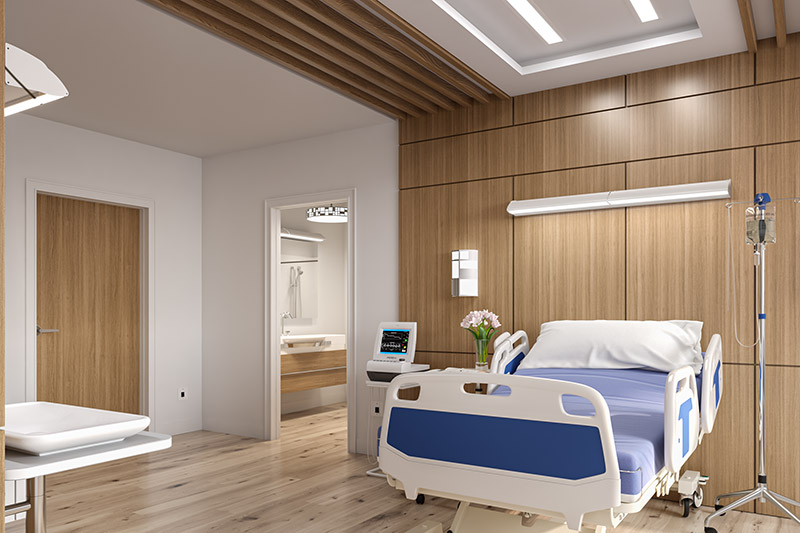
Patient wards require layered lighting to support rest, treatment, and nighttime safety.
Typical Lighting Layers:
-
Ambient lighting: 100–150 lux (warm white, indirect)
-
Bedside reading lights: localized, adjustable
-
Medical examination lighting: 300–500 lux
-
Night lighting: 1–2 lux low-level guidance lights
Glare must be strictly controlled, especially for patients lying in bed for extended periods.
5. Hospital Pharmacy Lighting
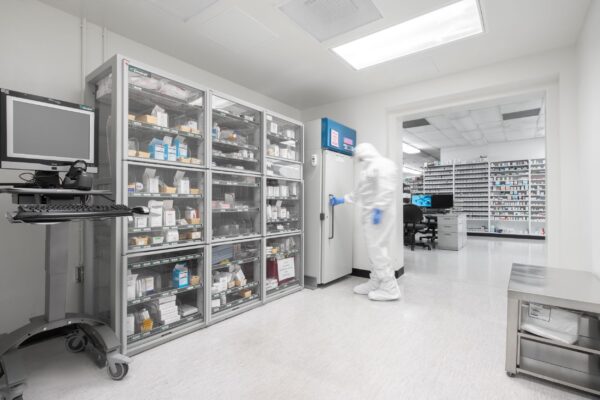
Pharmacy lighting is critical for medication safety and efficiency.
Design Highlights:
-
Recommended illuminance: 500–750 lux
-
High vertical illumination for shelves
-
CRI ≥ 90 to distinguish labels and packaging
-
Integrated shelf lighting for enhanced visibility
Well-designed pharmacy lighting reduces dispensing errors and pharmacist fatigue.
6. Public Areas & Office Spaces
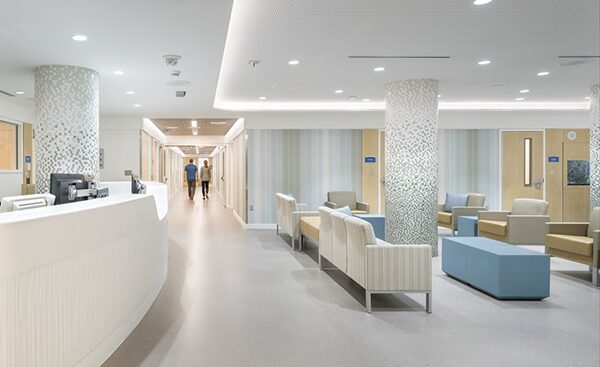
Public spaces influence first impressions and patient emotions.
Applications Include:
-
Outpatient lobbies
-
Waiting rooms
-
Corridors and nurse stations
-
Administrative offices
Waiting areas benefit from warm, soft lighting to reduce anxiety, while nurse stations require bright, continuous lighting for 24-hour operation.
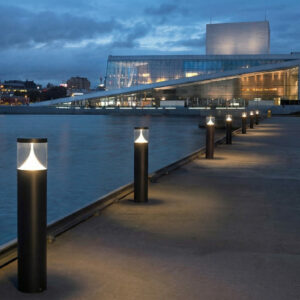
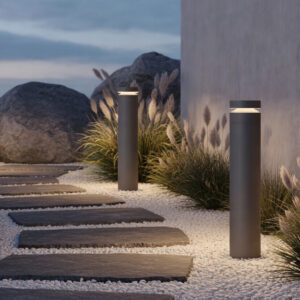
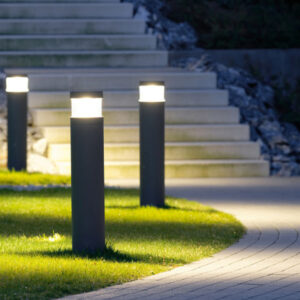
7 .Hospital Outdoor & Landscape Lighting
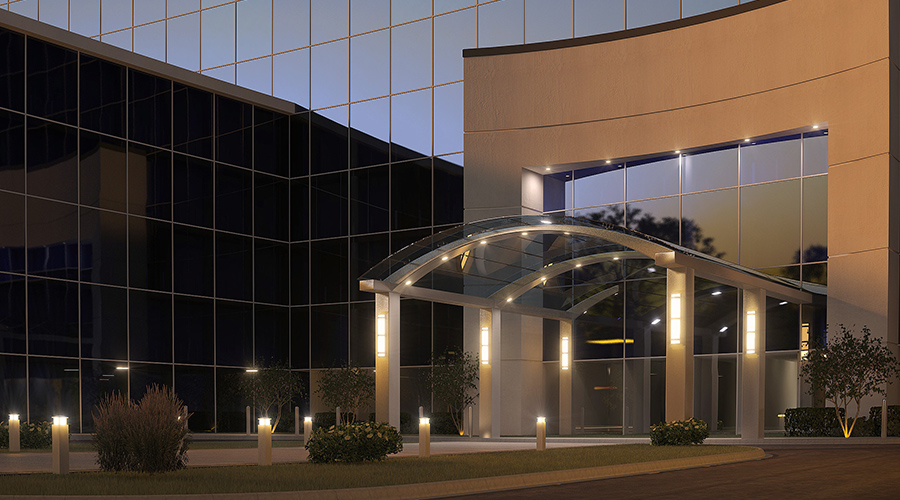
Exterior hospital lighting improves safety, orientation, and overall image.
Key Areas:
-
Entrances: 300–500 lux
-
Roads & walkways: 20–30 lux with high uniformity
-
Parking areas: LED with motion sensors
-
Healing gardens: warm, low-brightness landscape lighting
Exterior architectural lighting should be simple, reliable, and easy to maintain.
Energy-Efficient & Smart Hospital Lighting Systems
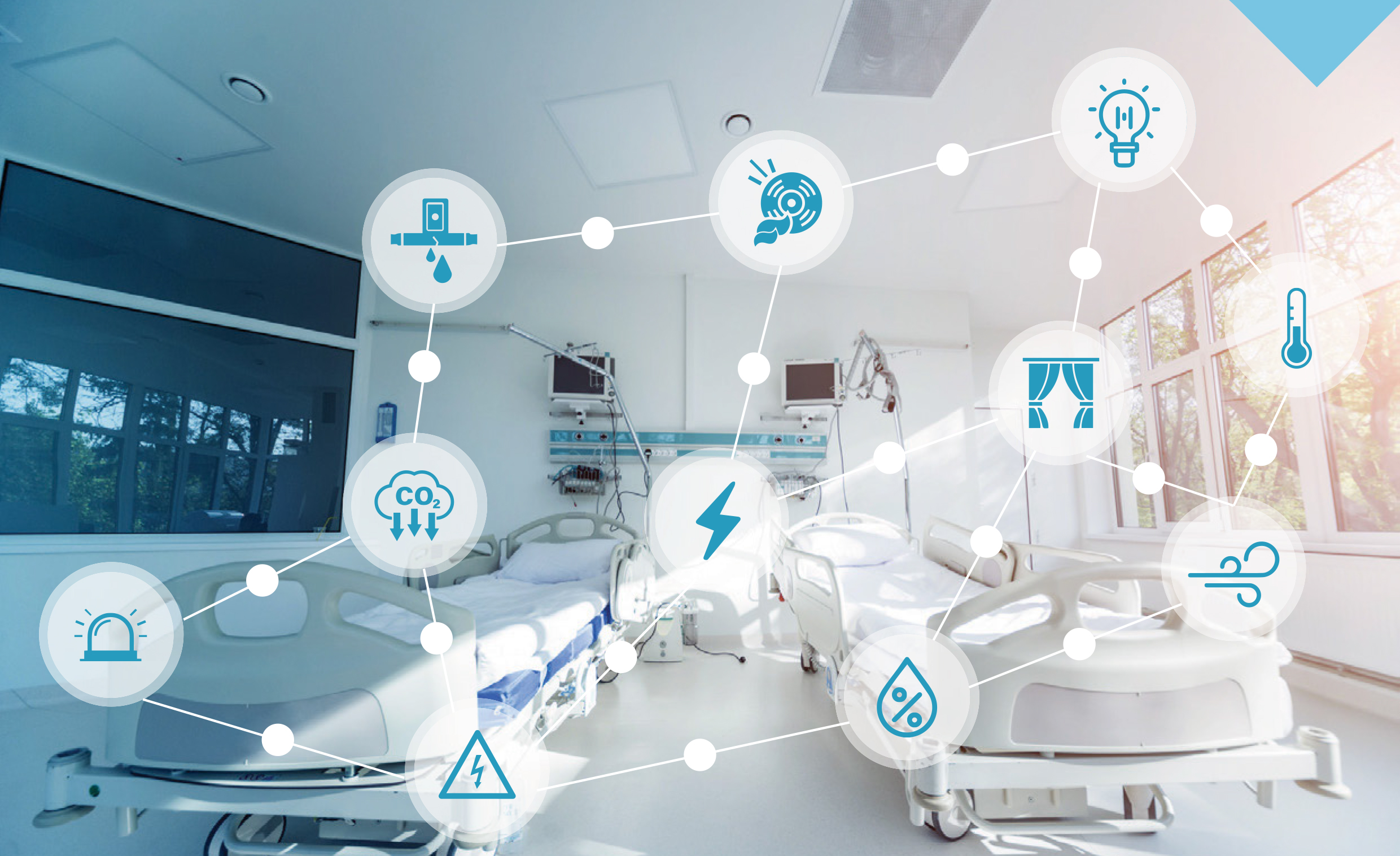
Hospital lighting can account for over 20% of total energy consumption. Modern hospital lighting design focuses on:
-
High-efficiency LED healthcare lighting
-
Optimized optical distribution
-
Intelligent lighting controls (DALI, sensors, scene control)
-
Integration with hospital smart management systems
Smart lighting improves energy performance while enhancing comfort and operational efficiency.
Conclusion

Hospital lighting design is a highly specialized discipline that combines medical standards, architectural lighting expertise, and human-centric technology. From outpatient clinics to operating rooms and healing gardens, well-designed hospital lighting directly affects patient outcomes, staff efficiency, and long-term hospital sustainability.
Choosing professional healthcare lighting solutions and experienced lighting partners is essential for any modern medical facility.
If you have any questions about hospital lighting design or medical lighting solutions, please contact Lacelesty.