Why Solar Lighting Is Becoming Essential
In today’s architecture and urban design, sustainability is no longer optional — it’s a priority. Solar lighting has rapidly evolved from a basic garden accessory into a reliable, energy-efficient solution for large-scale architectural, commercial, and municipal projects. With advancements in photovoltaic technology, lithium battery storage, and LED efficiency, solar lights can now deliver consistent illumination with minimal maintenance — all without relying on the electrical grid.
For architects, lighting designers, and project managers, specifying solar lighting correctly is crucial. The difference between consumer-grade solar lights and project-grade solar luminaires can determine whether a design achieves its intended performance for 10–20 years.
Types of Professional Solar Lights and Their Applications
-
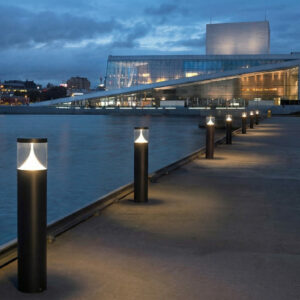
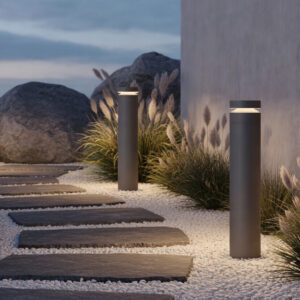
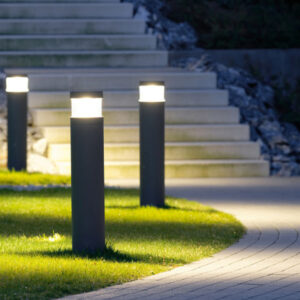
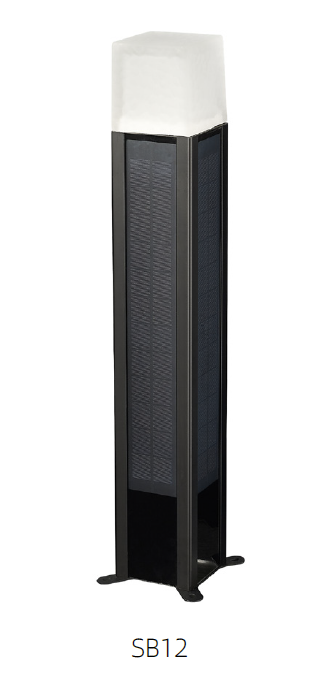
Solar Bollard Lights: Ideal for illuminating pathways, defining perimeters in parks, and guiding movement through public plazas. Their primary function is to provide low-level, glare-free light for safety and ambience.
-
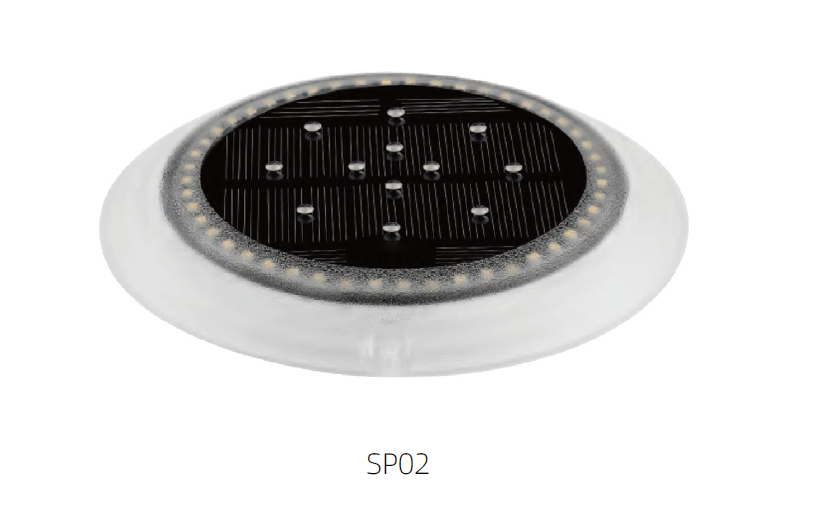
Solar In-ground & Uplights: These are used for accent lighting, dramatically highlighting architectural façades, trees, statues, and landscape features. Their discreet, flush-mounted design makes them perfect for creating visual interest without cluttering the daytime aesthetic.
-
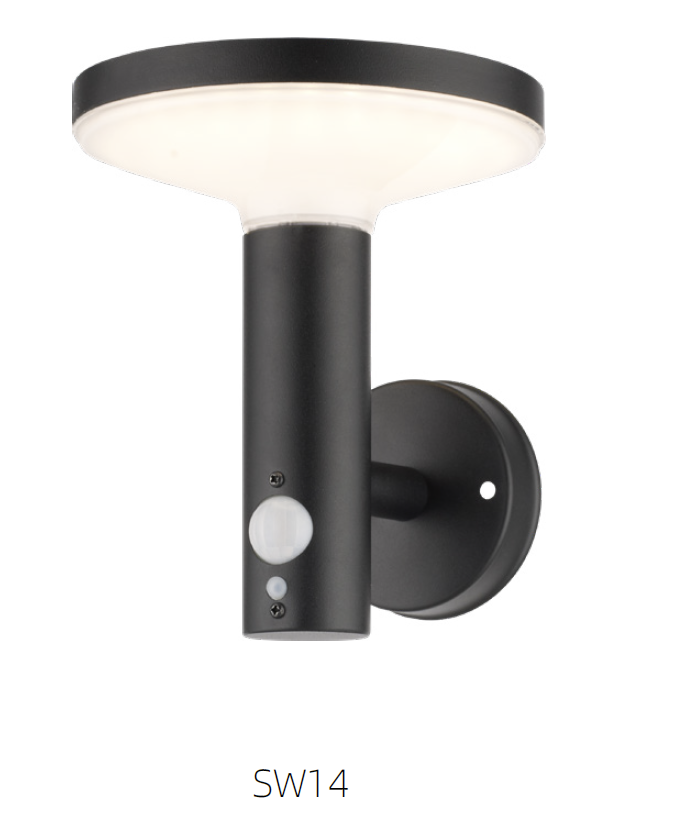
Solar Wall Lights: Mounted on building exteriors, these can serve multiple purposes. They function as security lighting for entrances and perimeters, provide general illumination for terraces, or act as decorative sconces to enhance architectural details.
-
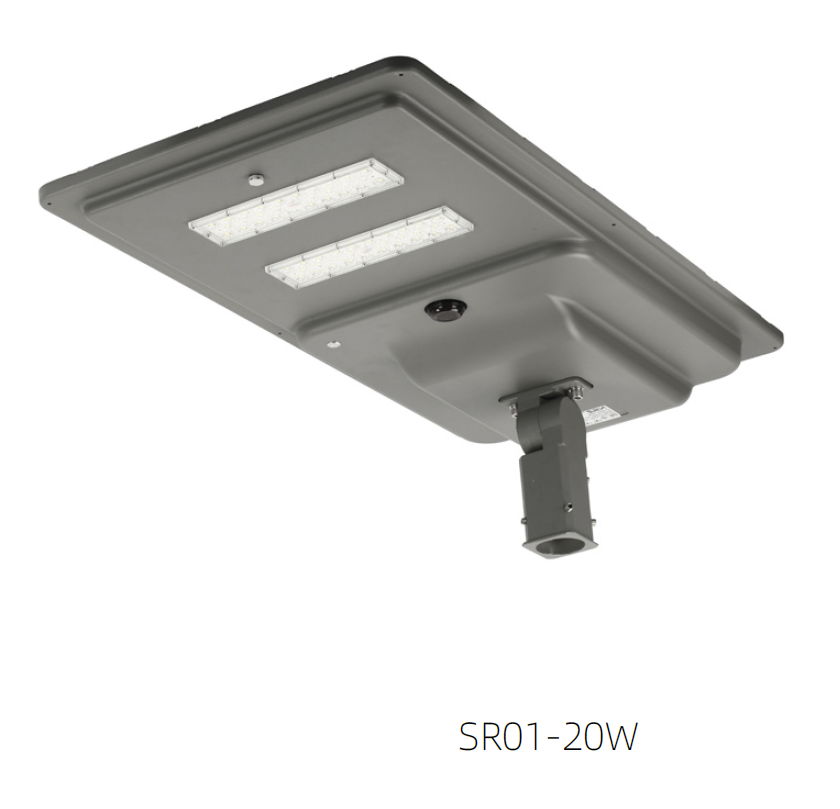
Solar Street & Area Lights: The most powerful category, designed for illuminating car parks, residential streets, public squares, and remote areas where grid connection is impractical or expensive. These require large solar panels and high-capacity batteries to deliver consistent, high-lumen output.
-
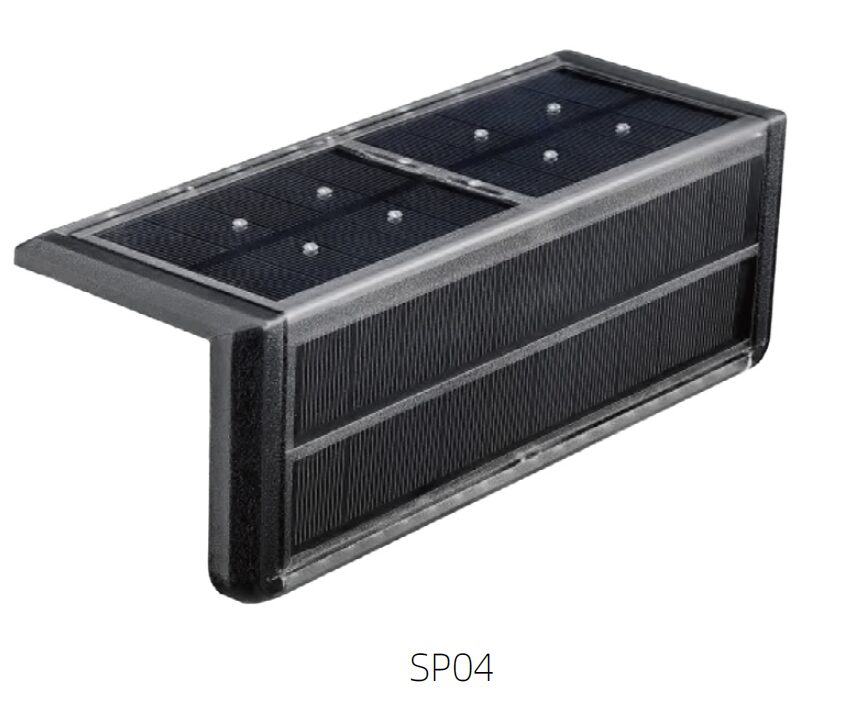
Solar Step & Deck Lights: Primarily focused on safety, these compact fixtures are integrated into stairs and decking to prevent trips and falls, providing clear demarcation in low-light conditions.
Professional vs. Consumer-Grade Solar Lighting
Not all solar lights are created equal. The difference between professional solar lighting systems and consumer products sold online is significant:
| Specification | Project-Grade Solar Light | Consumer Solar Light |
|---|---|---|
| Materials | Die-cast aluminum, stainless steel, tempered glass | ABS plastic, thin housings |
| Ingress Protection | IP65+ (dustproof & water jet resistant) | Often uncertified or IP44 |
| Battery Technology | LiFePO₄ batteries (2000+ charge cycles) | Basic Li-ion (500–800 cycles) |
| LED Performance | CREE/Bridgelux chips, CRI >80 | Generic LEDs, uneven light |
| Autonomy | 2–3+ days without sunlight | Often fails after 1 cloudy day |
| Controls | PIR sensors, programmable dimming, smart network compatibility | On/Off only or basic remote |
| Warranty | Multi-year project warranty | 1 year or less |
For long-term projects like hotels, villas, public parks, and commercial complexes, project-grade solar lighting is the only cost-effective choice over the system’s lifespan.
Intelligent and Networked Solar Lighting
One of the biggest advances in solar lighting is the integration of smart controls:
-
Adaptive Lighting: Motion-sensing technology allows lights to dim when no one is present, conserving energy and extending battery life.
-
Pre-programmed Dimming Schedules: Lights can follow preset brightness levels throughout the night — bright during early evening hours, dim during late night hours.
-
Wireless Network Control: Using Zigbee or LoRaWAN, hundreds of solar lights can be managed remotely. Facility managers can monitor battery status, adjust brightness, and receive alerts for maintenance needs — all from a central dashboard.
Future Trends in Solar Lighting
Solar lighting is expected to play an even bigger role in sustainable cities. Here are key trends to watch:
-
Higher Efficiency Panels & LEDs: More light from smaller fixtures with less energy waste.
-
Integrated Design: Solar panels will become part of the luminaire design rather than separate components, blending seamlessly with architecture.
-
IoT & Smart City Integration: Solar lighting systems will double as data nodes, enabling environmental monitoring, public Wi-Fi, and security features — all powered off-grid.
Installation Considerations
For reliable results, proper planning and installation are critical:
-
Site Analysis: Ensure solar panels receive direct sunlight year-round, avoiding shading from trees or buildings.
-
Location & Orientation: Panels should face the equator and be installed at the correct tilt angle for maximum efficiency.
-
Battery Commissioning: Many systems require a full initial charge to optimize battery life and calibrate the management system.
-
Drainage & Mounting: Design stable foundations and proper drainage for bollards, poles, and in-ground fixtures to prevent water accumulation.
Why Choose Lacelesty Solar Lighting
With over 15 years of experience in architectural and commercial lighting projects, Lacelesty provides customizable solar lighting solutions that meet international standards. Our products are engineered for:
-
✔️ Long-term durability (IP65+, IK10 impact rating available)
-
✔️ High-efficiency monocrystalline solar panels
-
✔️ Smart controls including DALI, Zigbee, or LoRaWAN options
-
✔️ Reliable performance even in harsh climates
📞 Contact Us
Ready to make your next project more sustainable with solar lighting?
For technical consultation or OEM/ODM support, please contact Lacelesty.